Training
Reward-based training for an eager, strong and food-loving dog: manners, loose-leash walking, recall and the habits Labs are known for.
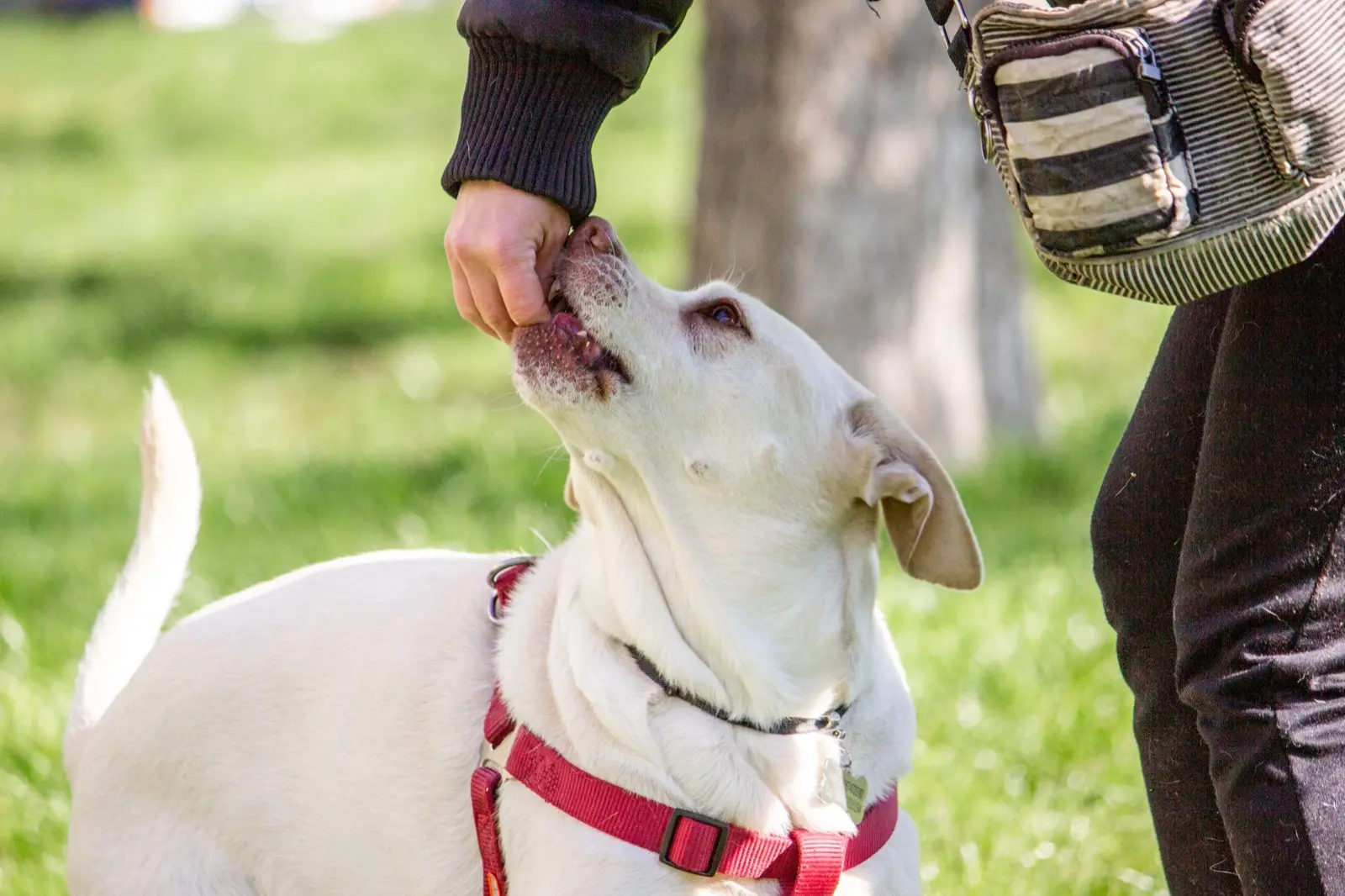
The first guides for this section are being written.
Training a Labrador
Labradors were bred to work with people, so they are quick to learn and keen on food rewards, which makes reward-based training a natural fit. They are also big, strong and enthusiastic, so manners that are cute at ten pounds, like jumping up or pulling toward every person, need work before the dog weighs seventy.
Guides here use positive reinforcement only: marking and rewarding what you want, managing the situation so the dog cannot practise what you do not want. No choke, prong or shock collars.
Common questions
At what age can I start training a Labrador?
From the day the puppy comes home. Short sessions of a few minutes, several times a day, work best for young puppies: name, sit, come and settling on a mat are good first lessons.
Why does my Lab pull so hard on the leash?
Pulling gets the dog where it wants to go, so it keeps working. Rewarding the dog for walking next to you, stopping when the leash goes tight and using a front-clip harness while you train all help.
Do Labradors calm down with age?
Most become noticeably calmer after their second or third year, but they stay active dogs. Daily exercise and things to do with their mouth and nose make a bigger difference than age alone.