Buying guide
Dog car seat cover for a Labrador: hammock, bench, bucket or cargo liner
A cover keeps mud, water and hair off the seats. It does not keep your Lab safe in a crash, so plan the restraint too.
Published
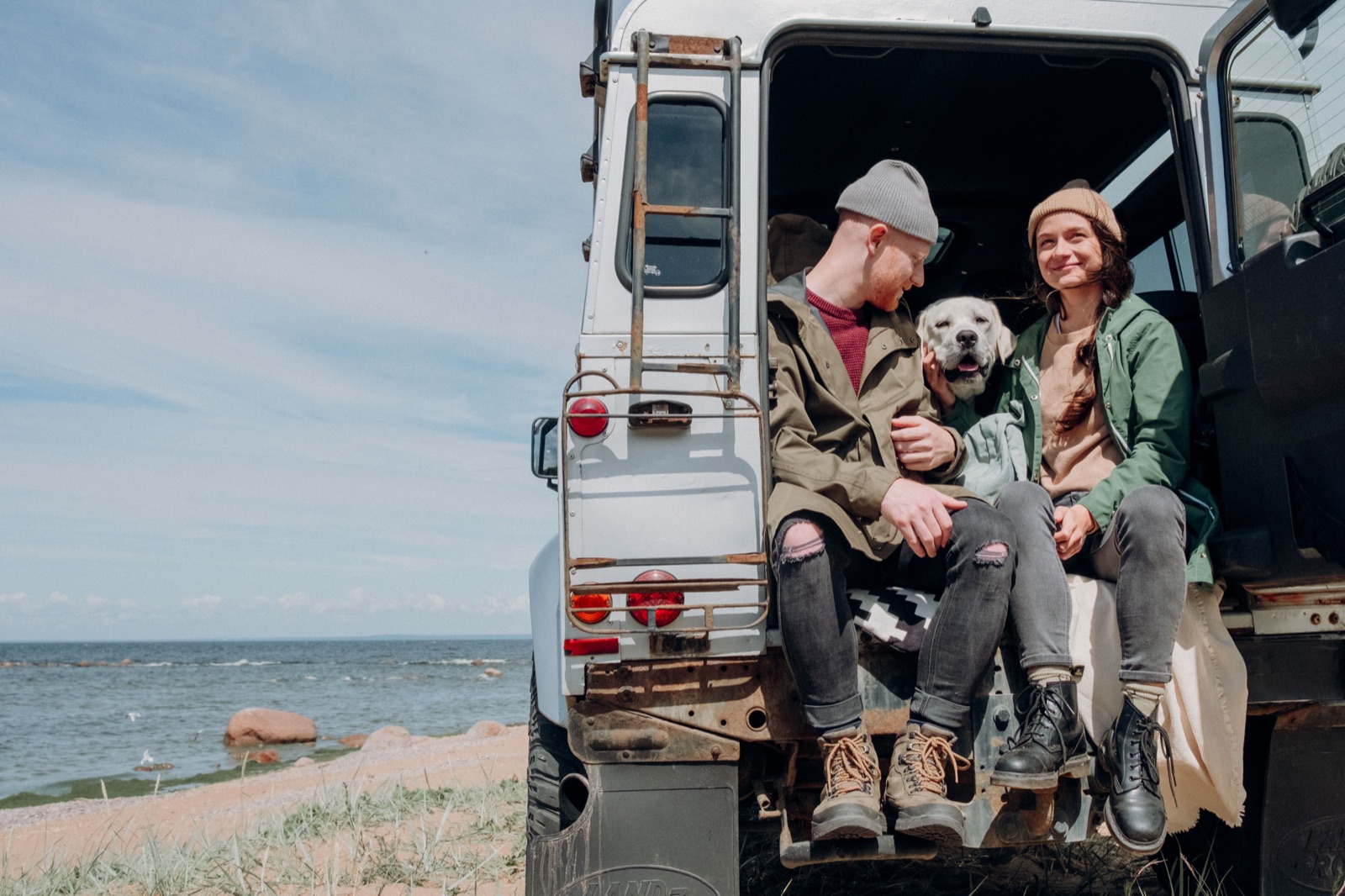
A dog car seat cover is the cheapest way to stop a Labrador from turning your back seat into a mix of lake water, mud and shed undercoat. Labs are big enough to cover a whole bench, they love getting wet, and their double coat sheds all year, so the cover takes a beating. This guide compares the four main types (hammock, bench, bucket and cargo liner), explains what to check before you buy, and covers the part a seat cover cannot do: keeping your dog safe if you brake hard.
What a dog car seat cover does for a Lab
A seat cover is a waterproof or water-resistant layer between your dog and the upholstery. Kurgo's buying guide tells you to look for waterproof fabric, strong seams and piping along the edges that catches mud and water instead of letting it run into the seat.
For a 55–80 lb Lab, that means three jobs:
- Water and mud. A Lab coming out of a pond carries a lot of water in its coat. A waterproof cover keeps it out of the foam.
- Hair. Short Lab hair weaves into car fabric. A smooth cover can be shaken out or wiped down.
- Claws. A big dog scrambling for footing scratches leather and vinyl. A cover with a non-slip back and several anchor points stays put and takes the wear.
What a cover does not do is restrain your dog. That is a separate piece of gear, covered further down.
Types of dog car seat covers
Kurgo's guide covers bench covers, bucket covers, hammocks and cargo covers, plus smaller items such as door guards. The four main shapes overlap a little, but the shape decides where your dog rides and how much of the car is protected.
Hammock
A dog car hammock clips to the front and rear headrests and hangs across the back seat like a sling. It covers the seat, closes off the footwell and makes it harder for your dog to climb into the front. Many, including Kurgo's, have a center zipper so you can fold half down when a person sits in the back.
Check the maker's limits before you buy. Kurgo, for example, says its Rover Hammock (55" wide by 56" long) is designed for vehicles with a bench seat under it and should not be used with bucket seats or over an open space with no bench beneath.
Bench cover
A bench cover (often sold as a back seat cover for dogs) lies over the rear seat and the seat back but leaves the footwell open. Kurgo's guide calls it the most common kind of vehicle protection, with standard sizes around 55" wide and truck sizes up to about 63". It is easier to share with human passengers and child seats than a full hammock, as long as it has seat belt openings.
Bucket seat cover
A bucket cover fits a single seat, usually the front passenger seat. Kurgo lists its Rover Bucket Seat Cover for seats 17"–21" wide and says it is not recommended for seats with integrated side airbags. The AKC adds that the back seat is the better place for a dog so it is not harmed by airbags. For a Lab, a bucket cover makes most sense on a rear captain's chair, not up front.
Cargo liner
A cargo liner (Kurgo calls its version a cargo cape) lines the floor and sides of an SUV or wagon's cargo area. The useful ones split so the rear seats can still fold, and have a flap that folds out over the bumper so claws don't scratch the paint while your dog jumps in and out. Kurgo's guide warns that many cargo covers are "just glorified blankets", so look for that bumper flap.

Comparison table
| Type | Where your Lab rides | What it covers | Passengers in the back | Watch out for |
|---|---|---|---|---|
| Hammock | Back seat | Seat, seat back, footwell, gap to the front | Fold half down with the center zipper | Needs a bench seat under it |
| Bench cover | Back seat | Seat and seat back | Easy, if it has seat belt openings | Footwell stays open |
| Bucket cover | One seat | One seat, bottom and back | Not affected | Side airbags; front seat not advised |
| Cargo liner | Cargo area | Floor, sides, bumper (with a flap) | Not affected | Cargo anchors may not be crash-rated for a crate |
What to look at before you buy
Size and fit for your vehicle
Measure the back seat from door to door and compare it with the cover's width. A cover that is too narrow leaves the edges exposed, which is exactly where a Lab leans and drips. If you drive a full-size truck or large SUV, look for an extended width. Covers sold as "universal" may still need adjusting, so check the maker's fit notes for your model.
Waterproof fabric and stitching
For a dog that swims, waterproof beats water-resistant. Kurgo's guide recommends double-stitched seams on hammocks and bucket covers and piping along the edges. Seams are where water gets through first.
Seat belt openings
Openings let you pass the seat belt buckles through the cover. This matters twice for a Lab owner: your passengers can still buckle up, and so can your dog if you use a car harness that connects to the seat belt.
Anchors and non-slip backing
For bench covers, Kurgo's guide suggests at least four attachment points so the dog can't shift the cover. Kurgo's own hammock uses eight. Seat anchors that tuck between the seat cushion and the seat back, plus headrest straps, stop the cover from sliding when a heavy dog turns around.
Cleaning
Read the care label before you buy. Kurgo's hammock is spot clean or hand wash and air dry; its bucket cover can go in the machine on a gentle cycle and air dry. If your Lab swims every weekend, a machine-washable cover saves time.
Car safety: the cover is not a restraint
The AKC warns that a dog in your space while you drive can be extremely dangerous and says the back seat is the better place for it. The Center for Pet Safety describes how a dog with too much room to move is thrown forward and snapped back in a sudden stop. With a 55–80 lb dog, that matters for everyone in the car. A seat cover or hammock does nothing to change that. Plan the restraint first, then pick the cover that works with it.
What the Center for Pet Safety recommends
Certified travel gear
The Center for Pet Safety (CPS) is an independent nonprofit that tests pet travel products and certifies the ones that meet its standards. Its CPS Certified program has categories for safety harnesses, pet travel carriers and travel crates. When we checked in November 2026, the list showed travel crates (including intermediate and large sizes) and carriers but no harnesses, so check the current list before you buy, and treat a harness maker's own "crash-tested" claim with care. For crate options for a Lab, see our dog crate guide; for walking and car harness fit, see the harness guide.
No tethers or ziplines
CPS warns that extension tethers and zipline-style add-ons give a dog too much movement in a sudden stop or crash, and that they cancel out the protection of an otherwise tested harness. Its advice: use a CPS Certified harness, crate or carrier, never attach an extension tether or zipline device, and secure pets in the back seat.
Crates in the cargo area
If your Lab rides in a crate on a cargo liner, CPS says cargo area anchors are not always weight-rated for crash forces, and that crates should always be secured with strength-rated anchor straps. Check your vehicle's anchor ratings with the manufacturer.
Which type suits whom
- Your Lab rides alone in the back of a sedan or small SUV: a hammock keeps the footwell clean and the dog out of the front.
- You often carry passengers or a child seat next to the dog: a bench cover with seat belt openings, or a hammock with a center zipper.
- Your car has rear captain's chairs: bucket covers on those seats; skip the hammock, since there is no bench under it.
- Your Lab travels in a crate in an SUV or wagon: a cargo liner with a bumper flap, plus strength-rated straps for the crate.
- You drive to the lake or the beach most weekends: waterproof fabric, sealed seams and a machine-washable cover.
How to use and care for your seat cover
- Fit the cover with the seat anchors pushed well into the seat crease and the headrest straps snug.
- Pass the seat belt buckles through the openings before your dog gets in.
- Clip your Lab's car harness to the seat belt or secure the crate before you start the car.
- After a wet or muddy trip, let the cover dry fully in the car or hanging up before you fold it, so it doesn't smell.
- Shake or vacuum hair out weekly, and wash it the way the label says.
- Check the straps and seams every few months, especially where your dog's front paws land when it jumps in.
For more gear that stands up to a wet, shedding Lab, browse the gear section.
Questions
What is the best type of dog car seat cover for a Labrador?
For most Labs that ride in the back seat, a hammock or a bench cover with seat belt openings fits best. A hammock also blocks the footwell and the gap to the front seats; a bench cover leaves the footwell open but is easier to share with passengers.
Is a dog hammock safe for a large dog?
A hammock protects the seat, but it is not a restraint. Kurgo, for example, says its hammock is designed for vehicles with bench seats and should not be used over bucket seats or an open space. Your Lab still needs a restraint, such as a travel crate strapped down with strength-rated straps.
Can my Lab ride in the front seat on a bucket seat cover?
The AKC says the back seat is the better place, so a dog is not harmed by airbags. Kurgo also says its bucket seat cover is not recommended for seats with integrated side airbags.
How do I clean a dog car seat cover?
Follow the label on your cover. Kurgo's hammock is spot clean or hand wash and air dry, while its bucket seat cover can be machine washed on a gentle cycle and air dried.
Should I use a seat belt tether or zipline with my dog?
No. The Center for Pet Safety warns that extension tethers and zipline devices give a dog too much movement in a sudden stop or crash and can cancel out the protection of a tested harness.
Sources
- Kurgo — Dog Car Seat Cover Buying Guide
- Kurgo — Rover Hammock (product page)
- Kurgo — Rover Bucket Seat Cover (product page)
- Kurgo — Rover Cargo Cape (product page)
- Center for Pet Safety — CPS Certified products
- Center for Pet Safety — Extension tether advisory
- Center for Pet Safety — Cargo area connection advisory
- American Kennel Club — Dog seat belts: what you need to know
More in Gear
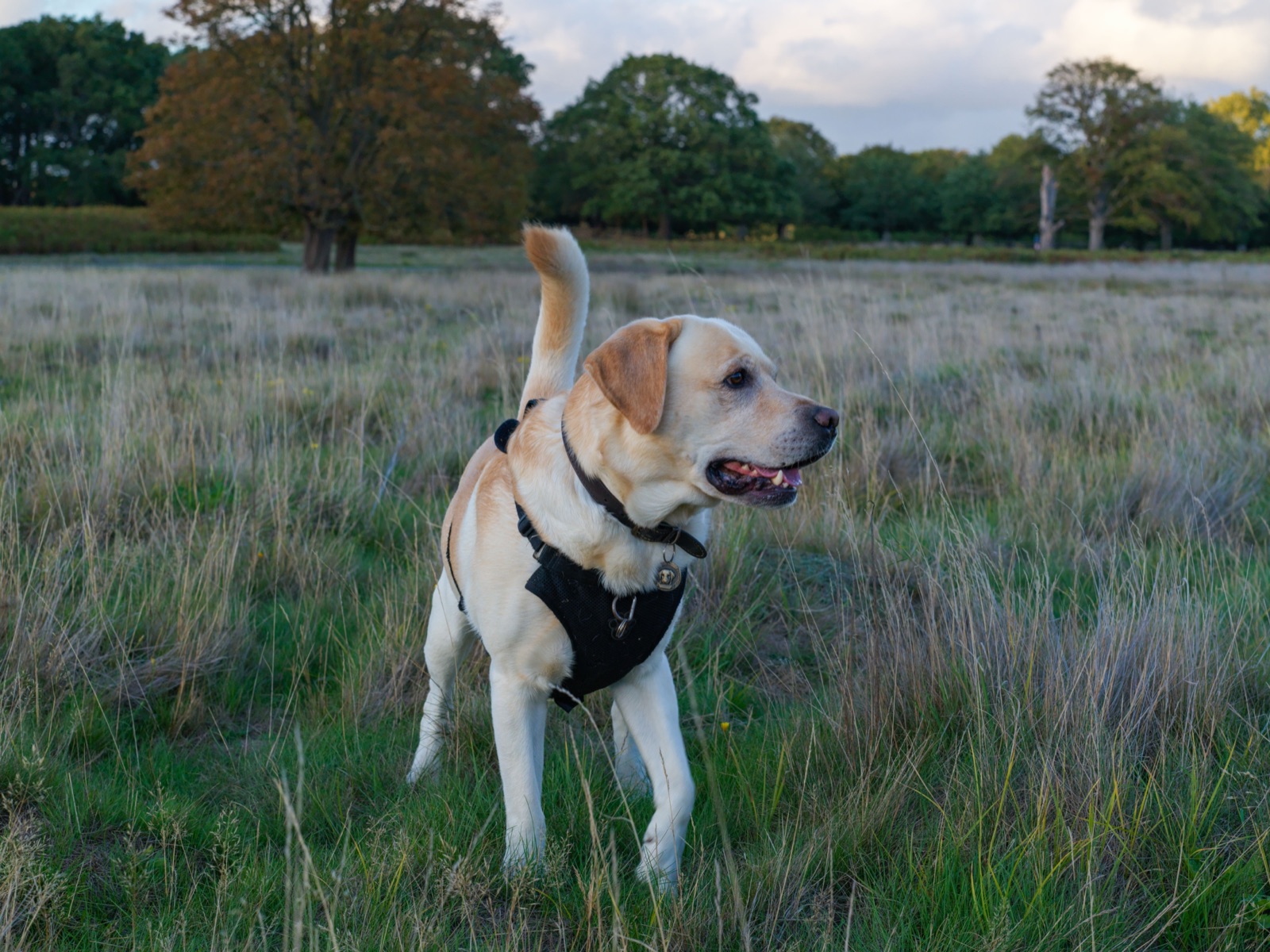
Buying guide
Harness for a Labrador: front-clip, back-clip or dual, and how to fit it
A well-fitted harness takes the pressure off your Lab's neck. The clip position decides how much help it gives you with pulling.
Buying guide
Dog crate for a Labrador: what size, which type, and a divider for puppies
Measure your dog, buy for the adult size, and use a divider panel while your Lab is still a puppy.
Guide in Grooming
Labrador shedding: why Labs shed, when it peaks and what helps
Labs shed all year and heavily twice a year. You can't stop it, but the right brushing routine keeps most of the hair off your floor.