Buying guide
Dog crate for a Labrador: what size, which type, and a divider for puppies
Measure your dog, buy for the adult size, and use a divider panel while your Lab is still a puppy.
Published
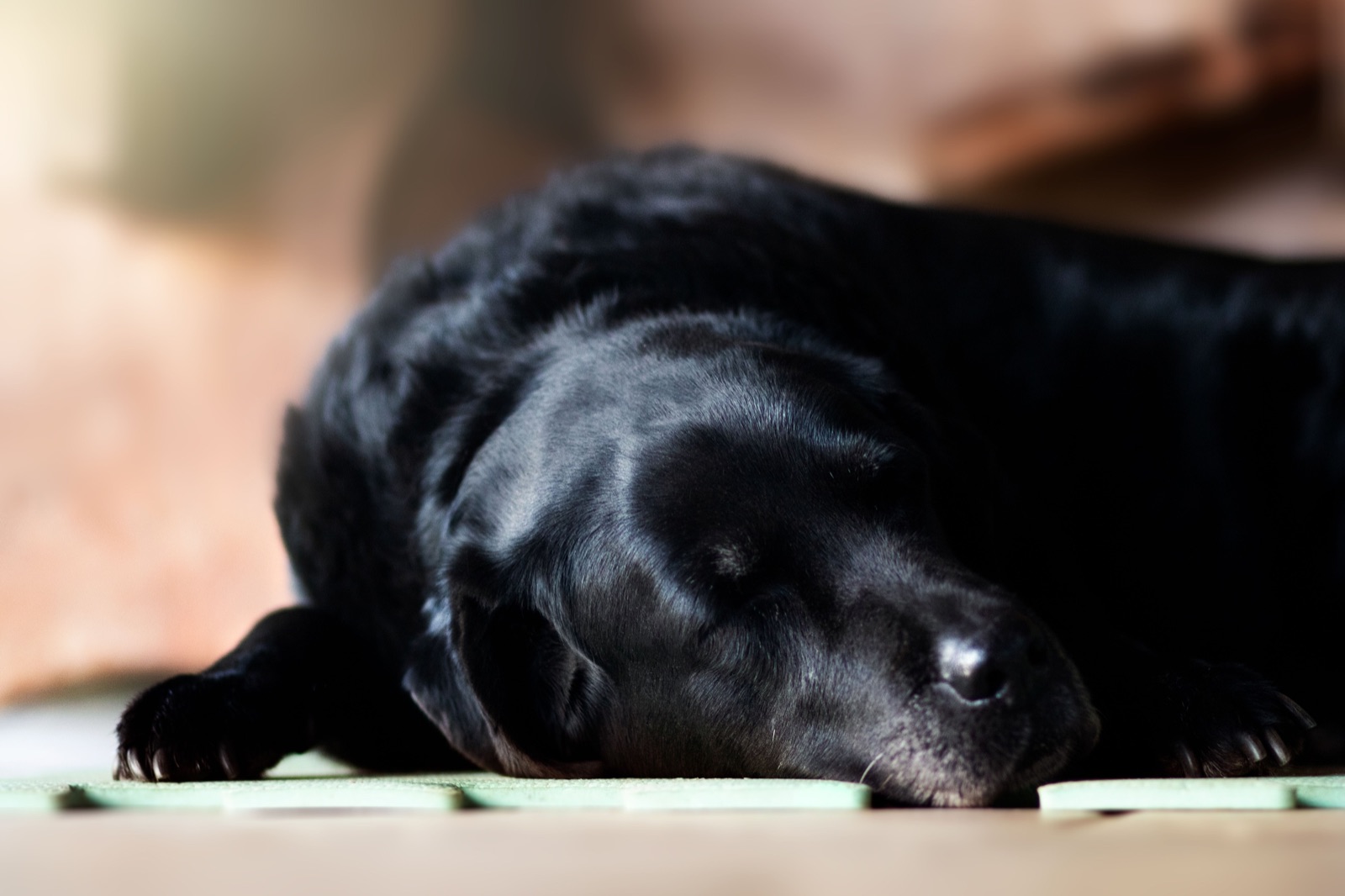
A dog crate for a Labrador has to fit a 55–80 lb adult, survive a teething puppy, and still be small enough to feel like a den. Get the size right and one crate can last from the first week to the adult years. This guide shows you how to measure, which size most Labs end up in, how the main crate types compare, and how to use a divider panel while your puppy grows.
What a crate does for a Lab
A crate gives your Lab a place to rest, keeps a curious puppy away from cords and shoes when you can't watch, and helps with house training. For a dog this size it also has to be sturdy: an adult Lab leaning on a door or pawing at a corner puts real force on the frame.
The AKC's rule for size is that your dog should be able to sit, stand and lie down comfortably, but the crate should not be much bigger than that. Extra space can encourage a dog, especially a puppy, to sleep at one end and eliminate at the other.
What size crate for a Lab
How to measure your Labrador
You need two numbers. Chewy's measuring guide gives this method:
- Length: with your dog standing, measure from the tip of the nose to the base of the tail (not the tip).
- Height: with your dog sitting, measure from the floor to the top of the head.
- Add about 4 inches to each. Chewy says four; the AKC says 3 to 4.
If your Lab falls between two crate sizes, choose the larger one. The crate size finder on our home page does this sum for you and matches the result to typical wire crate sizes from 24 to 48 inches.
Crate size for a Labrador adult
For most adult Labs, the numbers land on a 42-inch crate. MidWest's own crate size and breed chart lists the Labrador Retriever under its Large, 42-inch size, between the 36-inch Intermediate and the 48-inch X-Large, and notes that gender and mixed ancestry can mean a dog needs a larger or smaller crate than listed. PetSmart's chart also puts Labs in its large class (36–42 inches, for dogs of 41–70 lb). A tall or heavy male whose length plus 4 inches comes out above 42 needs the next size up. Measure rather than guess.
What size crate for a Labrador puppy
Buy the adult size now and make it smaller with a divider panel. The AKC recommends an expandable crate as large as the typical adult size of the breed, with a divider you move back as the puppy grows. MidWest's crate sizing page says most of its crates come with a free divider panel, and that the panel should fit snugly across the width of the crate, not along its length.
Set the divider so your puppy can stand, turn and lie down, and move it back as the puppy grows. Measure every few weeks during the first months; Lab puppies grow fast.

Types of dog crates for a Labrador
Wire crate
The most common choice for a Lab at home. The AKC describes metal crates as the sturdiest kind, with good airflow and visibility, and suited to dogs that chew other materials. Most fold flat and many come with a divider. Two-door models (a "retriever 2 door wire crate" in many listings) let you put the crate in a corner or along a wall and still open it from the side you need. The downside: the AKC notes they aren't the most attractive, though a fabric cover helps.
Plastic crate
Plastic crates are enclosed on most sides, easy to clean, and many double as travel carriers. The AKC advises choosing an airline-approved one if you plan to fly. Chewy notes dividers are less common in plastic crates, so for a puppy you may need a smaller crate first or a separate insert.
Heavy-duty crate
Heavy-duty crates are made for dogs that are hard on a standard crate, and for travel. If your Lab rides in a crate, look at the Center for Pet Safety's certified list. The Center for Pet Safety is an independent nonprofit that tests pet travel products and certifies the ones that meet its standards; its list includes travel crates in intermediate and large sizes.
Soft-sided crate
Light, cheap and foldable. The AKC says soft crates are best for small breeds that won't chew and are harder to clean after an accident. For a Lab puppy or a dog that chews, skip it; for a calm adult, it can work for supervised rests away from home.
Furniture-style crate
Wooden crates that double as an end table look best in a living room. The AKC lists them as the priciest, heaviest and hardest to clean. A Lab that chews can damage wood, so they suit settled adults.
Comparison table
| Type | Strengths for a Lab | Weak points | Divider usually available |
|---|---|---|---|
| Wire | Sturdy, airy, folds flat, two-door options | Not the most attractive | Yes, often included |
| Plastic | Enclosed, easy to clean, many travel-ready | Less airflow and visibility | Less common |
| Heavy-duty | Made for hard use and travel | Check crash certification before car use | Varies |
| Soft-sided | Light, folds for trips | Not for chewers; hard to clean | Rarely |
| Furniture | Fits the décor | Costly, heavy, chewable | Rarely |
What to look at before you buy
- Inside dimensions. Listings give the outside size. Check the interior length and height against your measurements plus about 4 inches.
- Divider panel. For a puppy, make sure one is included or sold for that exact model.
- Doors and latches. Check that every door latches firmly; a strong Lab pushing on a loose door can work it open.
- Tray. A removable tray makes cleaning up after a puppy accident quick.
- Travel. If the crate will go in the car, check whether it is CPS Certified and buy strength-rated anchor straps. The Center for Pet Safety says cargo-area anchors are not always weight-rated for crash forces and crates should always be secured with strength-rated straps.
Which type suits whom
- New Lab puppy: a wire crate in the adult size (usually 42 inches) with a divider, so you buy once.
- Adult Lab at home: a wire crate sized to your measurements, or a furniture crate if your dog doesn't chew.
- Lab that is hard on a wire crate: a heavy-duty crate, and a reward-based trainer to help with why your dog wants out.
- Lab that travels by car: a travel crate from the CPS Certified list, strapped down with strength-rated straps.
- Weekend trips with a calm adult: a soft crate, used only while you are nearby.
How to use and care for a Lab crate
Crate routine
Make it a good place
Put a washable mat or crate pad inside (see our dog bed guide for sizes) and a safe chew toy sized for your Lab; our chew toy guide covers which ones. Feed meals in the crate at first and leave the door open so your puppy walks in on its own.
Keep it clean
Wipe the tray after every accident, wash bedding weekly, and check wire and latches for bends or sharp ends. Replace a chewed pad before your dog swallows the stuffing.
Grow with your dog
Move the divider back as your puppy grows and re-measure at the adult stage. When the divider is gone and your Lab can still sit up and stretch out, you bought the right crate.
More gear for life with a Lab is in the gear section, and puppy basics are in the puppy section.
Questions
What size crate does a Labrador need?
Most adult Labs fit a 42-inch crate; MidWest's breed chart lists the Labrador Retriever under its 42-inch Large size. Still measure your dog from nose to the base of the tail and from the floor to the top of the head while sitting, add about 4 inches to each, and size up if your Lab falls between two.
What size crate should I buy for a Labrador puppy?
Buy the crate your Lab will need as an adult and use a divider panel to make the space smaller while the puppy grows. The AKC notes that too much space can encourage a puppy to use one end as a toilet.
Is a wire or plastic crate better for a Lab?
Wire crates fold flat, give good airflow and visibility, and usually come with a divider panel. Plastic crates are more enclosed and many double as travel carriers, but dividers are less common in them.
Can a Labrador use a soft-sided crate?
The AKC says soft-sided crates are best for small dogs that won't chew. A young Lab with strong jaws can chew or push through fabric, so keep soft crates for calm adults under supervision.
Can I use my home crate in the car?
Only if it is secured. The Center for Pet Safety says crates in a vehicle should always be secured with strength-rated anchor straps, and its certified list shows which travel crates have passed its testing.
Sources
- American Kennel Club — How to choose the best crate for your dog
- Chewy — What size crate should I get for my dog? How to measure
- PetSmart — Dog crate size chart: finding the perfect fit
- MidWest Homes for Pets — What size crate should I get?
- MidWest Homes for Pets — Dog crate size/breed reference (PDF)
- Center for Pet Safety — CPS Certified products
- Center for Pet Safety — Cargo area connection advisory
More in Gear
Guide in Puppy
Crate training a Labrador puppy: step by step, day and night
Size the crate for the adult dog, make it the best spot in the house, then add time in small steps your puppy can handle.
Buying guide
Dog bed for a Labrador: size, orthopedic foam, chew-resistant and washable
Measure your Lab, match the bed to how it sleeps, and pick foam and a cover that can take the weight, the hair and the occasional muddy paw.

Buying guide
Dog car seat cover for a Labrador: hammock, bench, bucket or cargo liner
A cover keeps mud, water and hair off the seats. It does not keep your Lab safe in a crash, so plan the restraint too.