Guide
Labrador shedding: why Labs shed, when it peaks and what helps
Labs shed all year and heavily twice a year. You can't stop it, but the right brushing routine keeps most of the hair off your floor.
Published
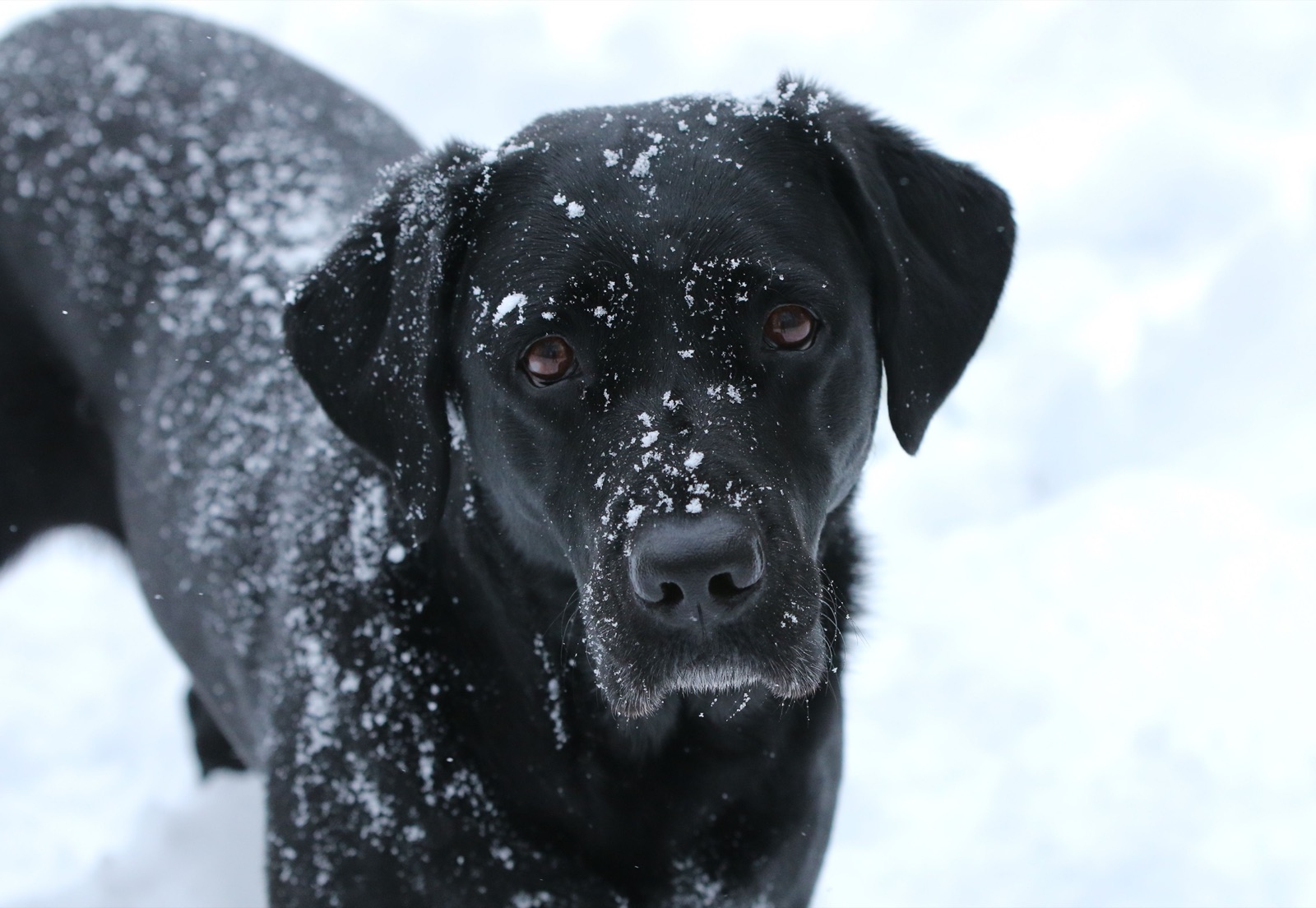
Labrador shedding is normal, constant and seasonal at the same time. By the end of this guide you'll know why a Lab sheds, when the heavy seasons come, a weekly and seasonal routine that keeps the hair under control, and which kinds of hair loss are not shedding at all but a reason to call your vet.
What you'll need
Essentials
-
Wide-tooth metal comb
: on the AKC's list of Lab grooming essentials; finds debris and loose hair before baths. -
Rubber curry brush or grooming mitt
: lifts loose hair from a short topcoat in weekly sessions. -
Undercoat rake or deshedding tool
: reaches the dense undercoat when it comes out in clumps in spring and fall.
Optional
-
Vacuum with a pet-hair attachment
: the AKC lists pet vacuums among tools that help collect loose hair during grooming. -
Washable throws for sofas and car seats
: easier to wash than upholstery during coat season.
Why Labradors shed
The double coat
The Labrador breed standard describes a short, dense topcoat without wave or feathering, "giving fairly hard feel to the touch," over a weather-resistant undercoat. The AKC explains the two layers of a double coat: a coarse topcoat (the guard coat) and a soft, insulating undercoat beneath it. That dense, insulating undercoat is the part that sheds most.
Shedding is how a dog gets rid of old or damaged hair. The AKC notes that dogs with thick double coats are more likely to shed year-round, and the Royal Kennel Club's breed page answers the "do Labs shed" question with a simple yes.
No such thing as a non-shedding Lab
Every Labrador has this coat. There is no purebred non-shedding Lab, and a short coat doesn't mean little hair: the dense undercoat is where most of the hair on your floor comes from.
Black, yellow and chocolate Labs shed the same coat
The standard allows three colors, black, yellow and liver/chocolate, and describes one coat for all of them. A black Lab shedding a lot isn't shedding a different coat from a yellow or chocolate Lab; black hair just shows up on light floors and furniture, and yellow hair on dark clothes.
When Labs shed most: blowing coat
Marilyn Little of the Labrador Retriever Club, quoted by the AKC, says Labs "shed twice a year in handfuls." This heavy seasonal shed, when the undercoat comes out in clumps, is often called "blowing coat."
The AKC says the heaviest shedding usually comes in spring and fall. In spring dogs lose the winter coat to stay cool; in fall they shed the lighter coat to make way for thicker insulation. The main triggers are changes in daylight and temperature, so a Lab that lives mostly indoors may shed lightly all year and still have heavier seasons.
If you're searching for "black lab shedding season," the answer is the same as for any Lab: expect the big sheds around spring and fall, and a steady trickle in between.

A routine that helps
You can't stop a healthy Lab from shedding. What you can do is remove the loose hair with a brush before it lands on the sofa.
Every week
The AKC lists the Labrador among short double-coated breeds that benefit from weekly brushing to manage the loose undercoat, and the Royal Kennel Club gives the Lab's grooming needs as about once a week. Purdue's canine welfare center suggests once or twice a week for dogs with thick undercoats, more if needed.
A simple weekly session:
- Run a rubber curry brush or mitt over the whole body to lift loose hair and dirt.
- Follow with a slicker brush on the denser areas, such as the neck, chest and hindquarters, with a light touch.
- Comb through with a wide-tooth metal comb and look at the skin as you go.
During coat season
When the undercoat starts coming out in clumps, brush more often. Little recommends combing every day during heavy shedding. The AKC's shedding advice is to switch to a coat rake or deshedding tool then, because these reach the undercoat where the loose hair collects.
Use those tools carefully. Purdue warns that deshedding tools "can irritate or even cut the skin," and makers' instructions limit how long and how hard to use them. The best brush for a Labrador compares the tool types and how to use each.
Work in sections
Brush in the direction the hair grows, one area at a time: back, sides, chest, hindquarters, then the tail. The AKC's technique for shedding tools is to pull along the direction of growth and then up and away from the body. Short sessions spread over several days are easier on a dog than one long one.
Why brushing does more than move hair
Brushing is not only about the sofa. The AKC's guide to grooming double-coated dogs says brushing removes dead hair, spreads the skin's natural oils, helps prevent skin infections and stimulates new growth. Its advice on technique is to brush the hair, not the skin, the way you would brush your own.
Regular sessions also let you check your dog. The AKC notes that a Lab's double coat gives fleas and ticks a good place to hide, so each brushing session is a chance to look for them. Purdue suggests looking over the coat every day to decide whether more grooming is needed. While you brush, look for:
- fleas, flea dirt or ticks, especially around the neck, ears and base of the tail;
- burrs, seeds and other debris from walks;
- lumps, scabs, red patches or areas your dog doesn't want touched.
If your Lab freezes, tries to get away or seems stressed during brushing, Purdue's advice is to stop and ask your veterinarian for help rather than push through.
Bathing in shedding season
A bath can help loosen hair that is ready to come out. The AKC says a shedding-control shampoo can remove loose hair and help keep the coat in good condition. Don't bathe more often just because your Lab is shedding, though: a groomer quoted by the AKC warns that overbathing can strip too much oil from the skin of thick or double coats, including Labs. Rinse thoroughly and dry completely, then brush once the coat is dry. See bathing a Labrador and dog shampoo for Labs.
Around the house
- Brush outdoors when you can, so the undercoat doesn't end up in the carpet.
- Cover the sofa and car seats with washable throws in coat season.
- Vacuum more often in spring and fall. The AKC lists pet vacuums among tools that can collect loose hair during grooming.
Common mistakes
- Shaving or clipping the coat. A Lab's coat should never be clipped or trimmed, says Little. Shaving a double coat doesn't stop shedding, and the AKC warns that it damages the undercoat, which lets air reach the skin and keeps it cool in hot weather.
- Overusing a deshedding tool. More strokes don't mean less hair; they mean sore skin. Keep to the schedule on your tool's instructions.
- Brushing only during coat season. Weekly brushing in between keeps the loose hair from building up.
- Bathing to stop shedding. Too many baths dry out the skin and coat without changing how much a Lab sheds.
When shedding is a question for your vet
Normal shedding leaves an even coat behind. The AKC says shedding can sometimes signal a health problem, and it lists hypothyroidism, allergies and congenital coat disorders as examples. It describes shedding as excessive when it comes with bald patches, inflamed skin or a sudden increase in hair loss.
Call your vet if you notice:
- bald patches or thinning fur;
- red, inflamed or irritated skin;
- a sudden increase in hair loss outside the usual spring and fall seasons.
Don't try to treat skin or coat problems yourself. Your vet can find the cause and tell you what will help.
More on coat care in the grooming section.
Questions
Do Labradors shed a lot?
Yes. Labs have a short double coat and shed throughout the year, with two heavy shedding periods, usually in spring and fall, when the undercoat comes out in handfuls.
Is there a non-shedding Labrador?
No. Every purebred Labrador has the breed's double coat with a weather-resistant undercoat, and the Royal Kennel Club lists the breed as one that sheds.
Do black Labs shed more than yellow or chocolate Labs?
The breed standard describes one coat type for all three colors, so color doesn't change the kind of coat. Black hair simply shows more on light furniture and yellow hair on dark fabric.
When is a Lab's shedding a reason to see the vet?
See your vet if shedding comes with bald patches, thinning fur, red or inflamed skin, or a sudden increase in hair loss. The AKC lists allergies and hypothyroidism among conditions that can show up as coat changes.
Sources
- American Kennel Club — Managing Dog Shedding
- American Kennel Club — Grooming Your Labrador Retriever
- American Kennel Club — Double-Coated Dog Breeds
- American Kennel Club — How to Groom a Double-Coated Dog
- American Kennel Club — How Often Should You Wash Your Dog?
- Purdue University Center for Animal Welfare Science — Brushing and Coat Care
- The Royal Kennel Club — Retriever (Labrador) breed standard
- The Royal Kennel Club — Retriever (Labrador) breed information
More in Grooming
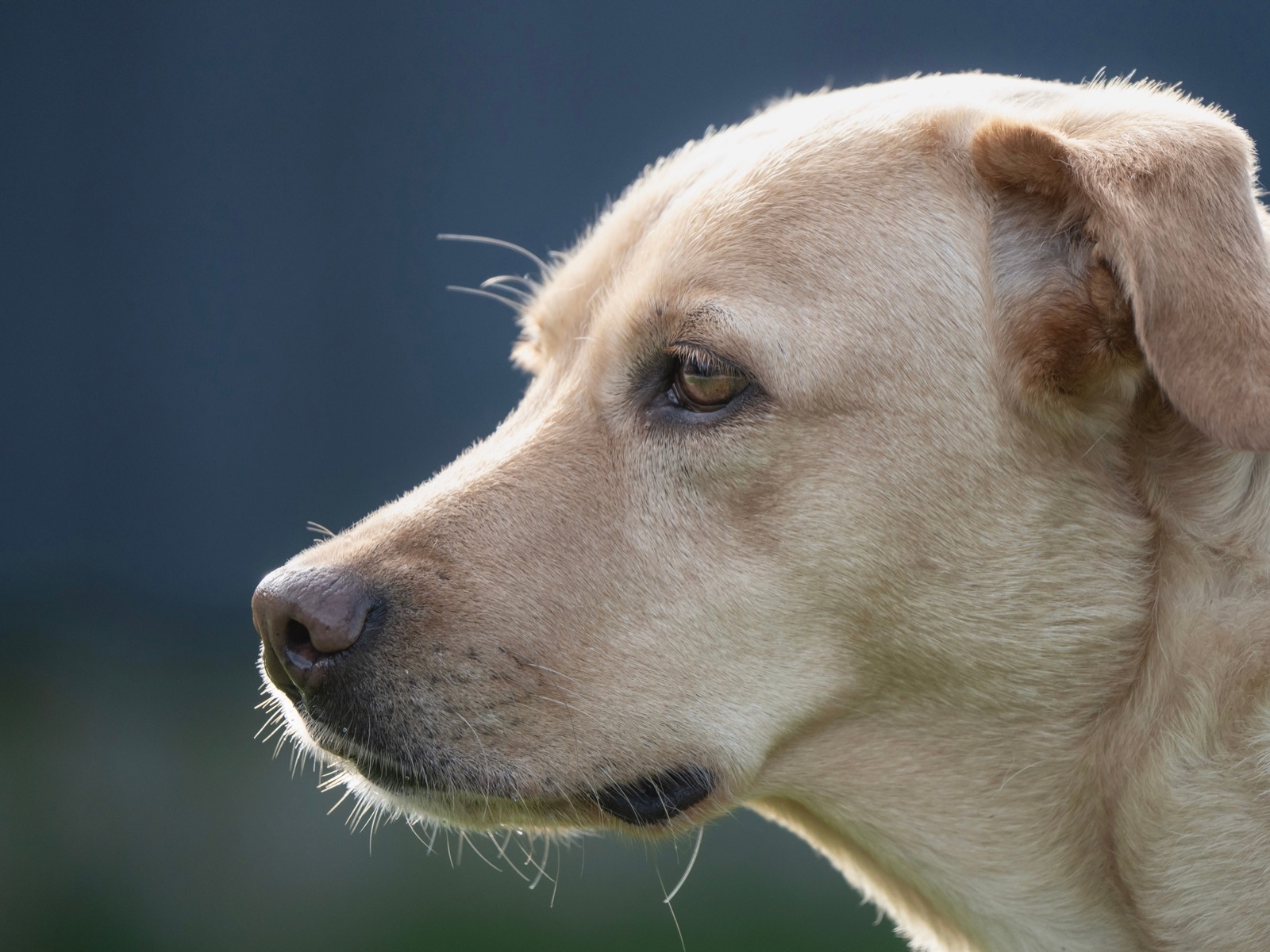
Buying guide
Best brush for a Labrador: which tools suit a short double coat
A Lab's coat is short but double, so the right kit is a gentle everyday brush plus one tool that reaches the undercoat when shedding peaks.
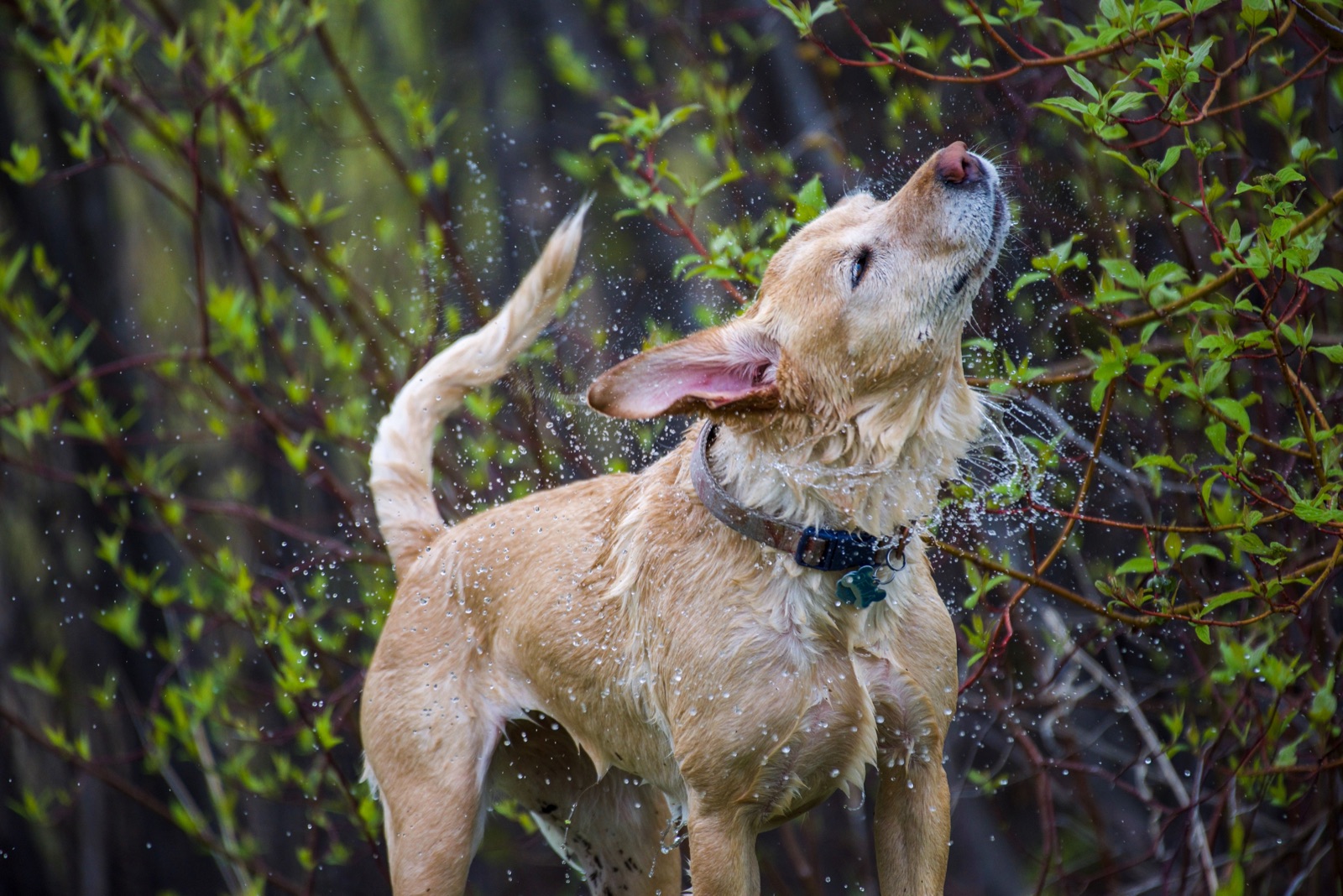
Guide
Bathing a Labrador: how often, step by step, and drying the ears
Bathe when your Lab needs it, not on a fixed weekly schedule, then rinse longer than you think and dry the coat and ears thoroughly.
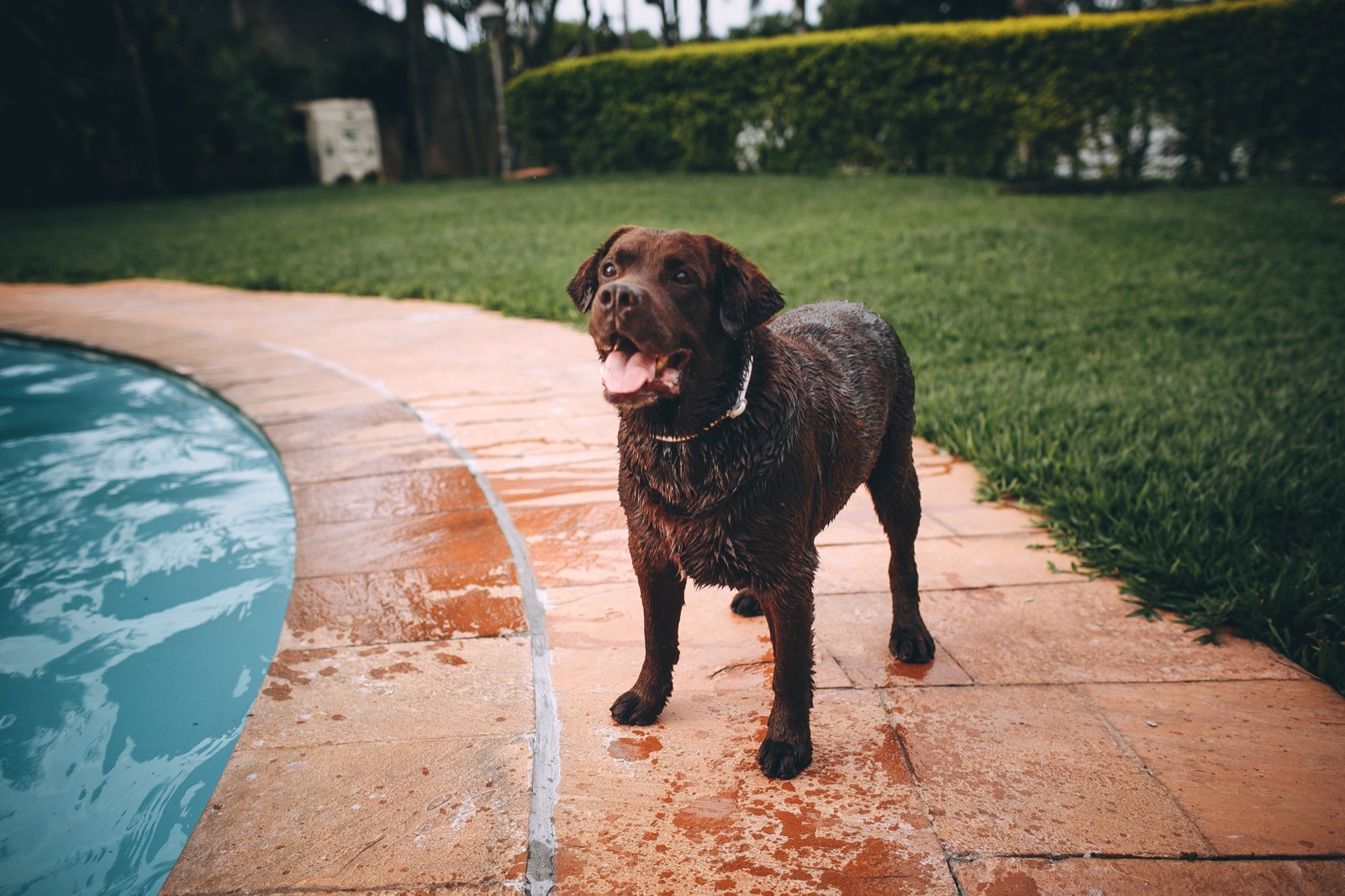
Buying guide
Dog shampoo for Labs: how to choose one for a double coat
Pick a gentle shampoo made for dogs, keep medicated ones for when your vet asks for them, and spend longer rinsing than lathering.