Buying guide
Best brush for a Labrador: which tools suit a short double coat
A Lab's coat is short but double, so the right kit is a gentle everyday brush plus one tool that reaches the undercoat when shedding peaks.
Published
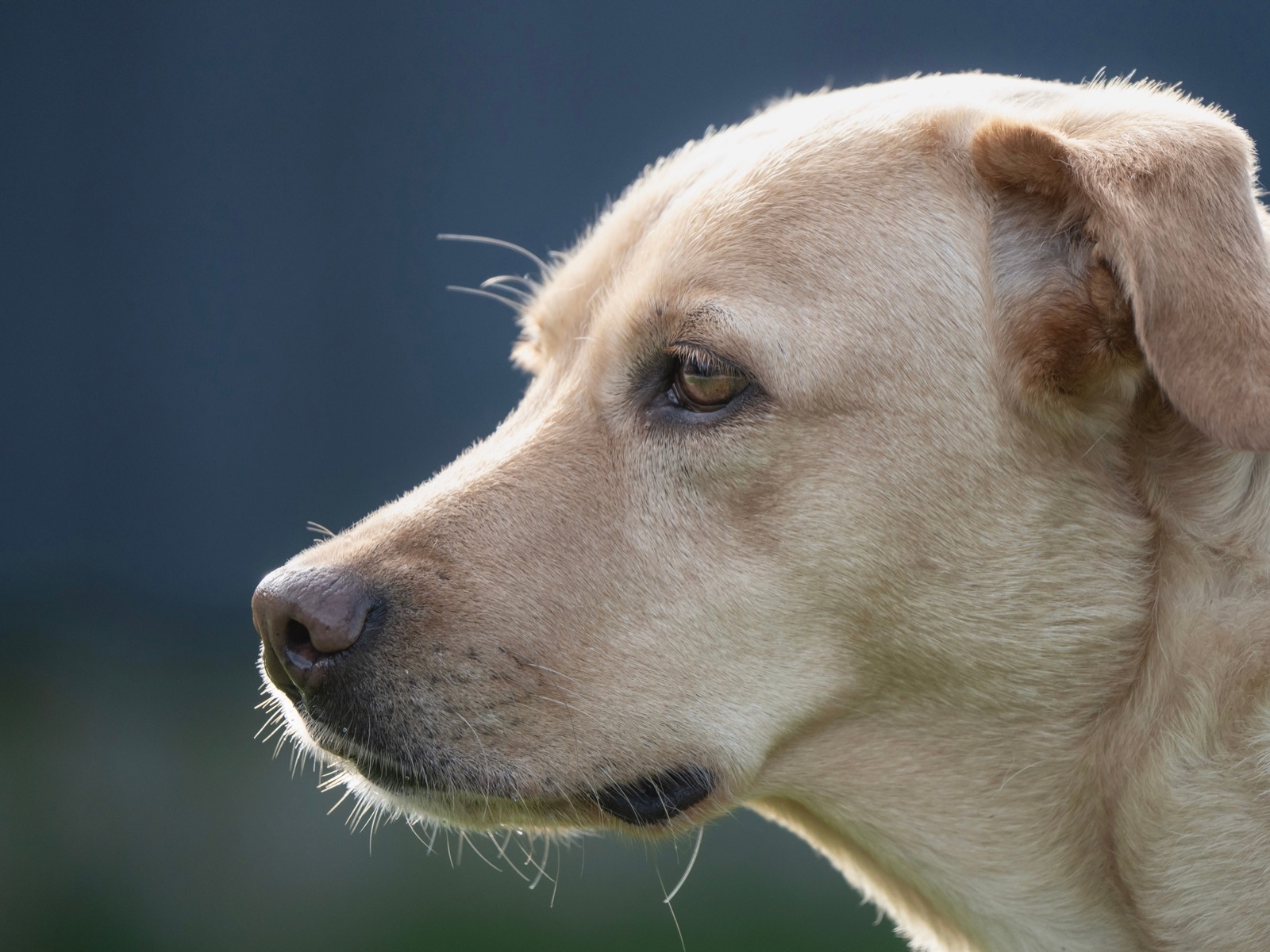
The best brush for a Labrador is not one brush but a small pair: a gentle tool you can use every week to lift loose hair, and one tool that reaches the undercoat when your Lab starts dropping hair in clumps. This guide explains what each type does on a Lab's coat, how the types compare, what to check before you buy, and how to use the stronger tools without irritating the skin.
What a brush has to do on a Lab's coat
The Labrador breed standard describes the coat as short and dense, with a fairly hard feel, over a weather-resistant undercoat. That makes the Lab a short-coated dog and a double-coated dog at the same time. The AKC lists the Labrador among breeds with short double coats: they generally don't need trimming, but weekly brushing helps manage the loose undercoat. The Royal Kennel Club also puts the Lab's grooming needs at about once a week.
Two things follow from that:
- The topcoat is short, so long-pin brushes built for fluffy breeds have little to grip, and soft tools such as rubber brushes work well on the surface.
- The undercoat is dense and sheds in waves. Marilyn Little of the Labrador Retriever Club, quoted by the AKC, puts it plainly: Labs shed twice a year "in handfuls," and combing every day during that heavy shedding keeps dead hair off your floors. That's when a rake or deshedding tool earns its place.
A Lab's coat should never be clipped or trimmed, according to the same AKC article, so brushing is the whole coat-care job. More on the shedding cycle itself in Labrador shedding.
Types of brushes for a Labrador
Rubber curry brush or grooming mitt
A rubber brush massages the skin and brings dirt and loose hair to the surface. The AKC notes it suits short coats, and most rubber brushes can be used wet, to work shampoo into the coat or pull dead hair from wet fur. A rubber grooming mitt does a similar job. Purdue's canine welfare center says rubber brushes reduce shedding only a little, so on a Lab they are an everyday and bath-time tool, not the main answer to coat season.
Slicker brush
A slicker brush has fine wire pins on a flat head. Purdue lists it as a common all-purpose tool for most coat types, including double and short coats, and the AKC calls slickers useful for dogs with a downy undercoat under a harder outer coat. Both say to use it gently: pressing down hard can cause your dog discomfort.
Bristle brush
A bristle brush removes loose hair and dander. The AKC says it works best on short-coated dogs, and on double-coated breeds as a finishing brush to smooth the coat and add shine. Purdue adds that a stiff bristle brush is not suited to removing shedding fur, so on a Lab it finishes the job rather than doing it.
Undercoat rake
A rake has one or two rows of pins that reach down into the undercoat to pull out loose fur. The AKC recommends rakes for double-coated breeds of every coat length and says to choose a pin length that matches your dog's coat. For a Lab's short coat, that means short pins.
Deshedding tool
A deshedding tool has a fine-toothed steel edge that catches loose undercoat. Purdue says these tools remove undercoat and help prevent tangles, but warns they "can irritate or even cut the skin," so use them with care. The AKC's advice for blade-style shedding tools is the same: don't press too hard.
Best brush for a Labrador: the types compared
| Type | What it does on a Lab | When to use it | Main caution |
|---|---|---|---|
| Rubber curry brush or mitt | Lifts loose hair and dirt from the short topcoat; can be used in the bath | Weekly, and while shampooing | Does little for the undercoat |
| Slicker brush | Removes loose hair, reaches denser areas | Weekly, or more in coat season | Light touch only |
| Bristle brush | Removes dander, smooths and adds shine | As a finishing brush | Not for shedding undercoat |
| Undercoat rake | Pulls loose undercoat from deep in the coat | During heavy shedding | Pick short pins for a short coat |
| Deshedding tool | Removes large amounts of loose undercoat | During heavy shedding, on a schedule | Can irritate or cut skin if overused |
| Wide-tooth metal comb | Checks the coat, finds debris, fleas and tangles | Before baths and during shedding | Removes little undercoat on its own |
The AKC's list of Lab grooming essentials includes a wide-tooth metal comb, and combing before a bath removes debris and tangles.

What to look at before you buy
Head width for a large dog
The Royal Kennel Club classes the Lab as a large breed. A wide head covers the back, sides and chest in fewer strokes, while a narrower one is easier around the legs, chest and tail. Deshedding tools are often sold in sizes by breed size; FURminator, for instance, labels its tools from XS (toy breed) to L (large breed) and in short-hair and long-hair versions, and offers a breed finder on its site.
Pin and tooth length
Match the tool to a short coat. Long pins and wide-spaced rakes made for thick, long coats skim over a Lab. The AKC specifically says to choose rake pins by your dog's coat length.
Edges and tips
Run the tool over the back of your hand before you use it on your dog: pins and teeth that scratch you will scratch a Lab's skin too. Check that pins and teeth are straight and undamaged.
Grip and cleaning
A Lab in full shed fills a tool quickly. A handle you can hold comfortably for a 10–20 minute session, and a head you can clear of hair easily, make regular sessions easier. Rubber brushes rinse clean, which suits a dog that goes from muddy walks to the bath.
Which type suits which Lab
Most Labs need two tools, but the balance between them depends on the dog and the time of year.
Four common situations
A Lab that sheds lightly most of the year
A rubber curry brush or mitt once a week, finished with a bristle brush, keeps the topcoat clean and catches the steady trickle of loose hair. Add the comb to check for debris after walks.
Coat-blowing season
When the undercoat comes out in clumps, switch to an undercoat rake or a deshedding tool. The AKC advises moving to a coat rake or shedding tool when shedding is at its peak, pulling along the direction of growth and then up and away from the body. Purdue notes that spring and fall shedding seasons may call for more brushing.
A puppy or a dog that is new to brushing
Start with the soft tools: a rubber mitt or a soft brush. Purdue recommends going slowly and not trying to finish a full brushing in one sitting. If your dog freezes, tries to get away or seems stressed, stop and ask your veterinarian for help.
A Lab with sensitive or irritated skin
Skip blades and rakes until your vet has looked at the skin. FURminator itself says its deShedding tool should not be used on pets with particularly sensitive skin, and that you should check the skin for sores or irritation and see a vet before deshedding if you find any.
How to use a deshedding tool without overdoing it
Deshedding tools work fast, which makes them easy to overuse. The maker's own instructions for the FURminator are a good example of the care involved:
- Brush or comb out any tangles first.
- Use the tool only on a completely dry coat; right after a bath and a full dry is ideal.
- Stroke in the direction of hair growth, covering the whole body rather than staying in one spot.
- Don't press hard: excessive pressure or overuse can irritate the skin.
- Keep to the recommended schedule, 1–2 times a week for 10–20 minutes, with more sessions only during heavy shedding.
If the skin looks red or irritated, stop and ask your vet before you use the tool again. Other brands differ, so follow the instructions on your product. Whatever the tool, a Lab's undercoat insulates it, and the goal is to remove what is already loose, not to thin the coat.
Care for your brushes
- Pull hair out of slickers, rakes and blades after every session so the pins can reach the coat next time.
- Wash rubber brushes in warm water and let them dry.
- Check pins and teeth now and then, and replace a tool with bent or broken teeth.
- Keep a separate brush for bath time if you use a rubber brush to work in shampoo; see bathing a Labrador for the full routine.
For the rest of coat and skin care, browse the grooming section.
Questions
What is the best brush for a Labrador?
There is no single best brush. Most Lab owners do well with a rubber curry brush or mitt for everyday loose hair, plus an undercoat rake or deshedding tool for the heavy shedding seasons, since the Lab has a short coat over a dense undercoat.
Is a slicker brush good for a Labrador?
A slicker brush works on most coat types, including double coats, and it is useful on denser areas of a Lab's coat. Use a light touch: pressing hard with the fine wire pins can hurt the skin.
How often should I use a deshedding tool on my Lab?
Follow the instructions for your tool. FURminator, for example, recommends its deShedding tool 1–2 times a week for 10–20 minutes, on a completely dry coat, without pressing hard. Stop if you see redness or irritation.
Should I shave my Labrador to stop shedding?
No. Shaving a double coat does not stop shedding and can damage the coat. A Lab's coat should not be clipped or trimmed; brushing out the loose undercoat is the way to manage shedding.
Sources
- American Kennel Club — Types of Dog Brushes
- American Kennel Club — When Brushing Your Shedding Dog, Use the Right Tool
- American Kennel Club — Double-Coated Dog Breeds
- American Kennel Club — Grooming Your Labrador Retriever
- Purdue University Center for Animal Welfare Science — Brushing and Coat Care
- The Royal Kennel Club — Retriever (Labrador) breed standard
- The Royal Kennel Club — Retriever (Labrador) breed information
- FURminator — Frequently asked questions
- FURminator — Which FURminator do I need?
More in Grooming
Guide
Labrador shedding: why Labs shed, when it peaks and what helps
Labs shed all year and heavily twice a year. You can't stop it, but the right brushing routine keeps most of the hair off your floor.
Guide
Bathing a Labrador: how often, step by step, and drying the ears
Bathe when your Lab needs it, not on a fixed weekly schedule, then rinse longer than you think and dry the coat and ears thoroughly.
Buying guide
Dog shampoo for Labs: how to choose one for a double coat
Pick a gentle shampoo made for dogs, keep medicated ones for when your vet asks for them, and spend longer rinsing than lathering.