Guide
When do Lab puppies stop biting? Teething, mouthing and what to do
Why Labs are so mouthy, how long teething lasts, and calm, reward-based steps that teach your puppy a soft mouth.
Published
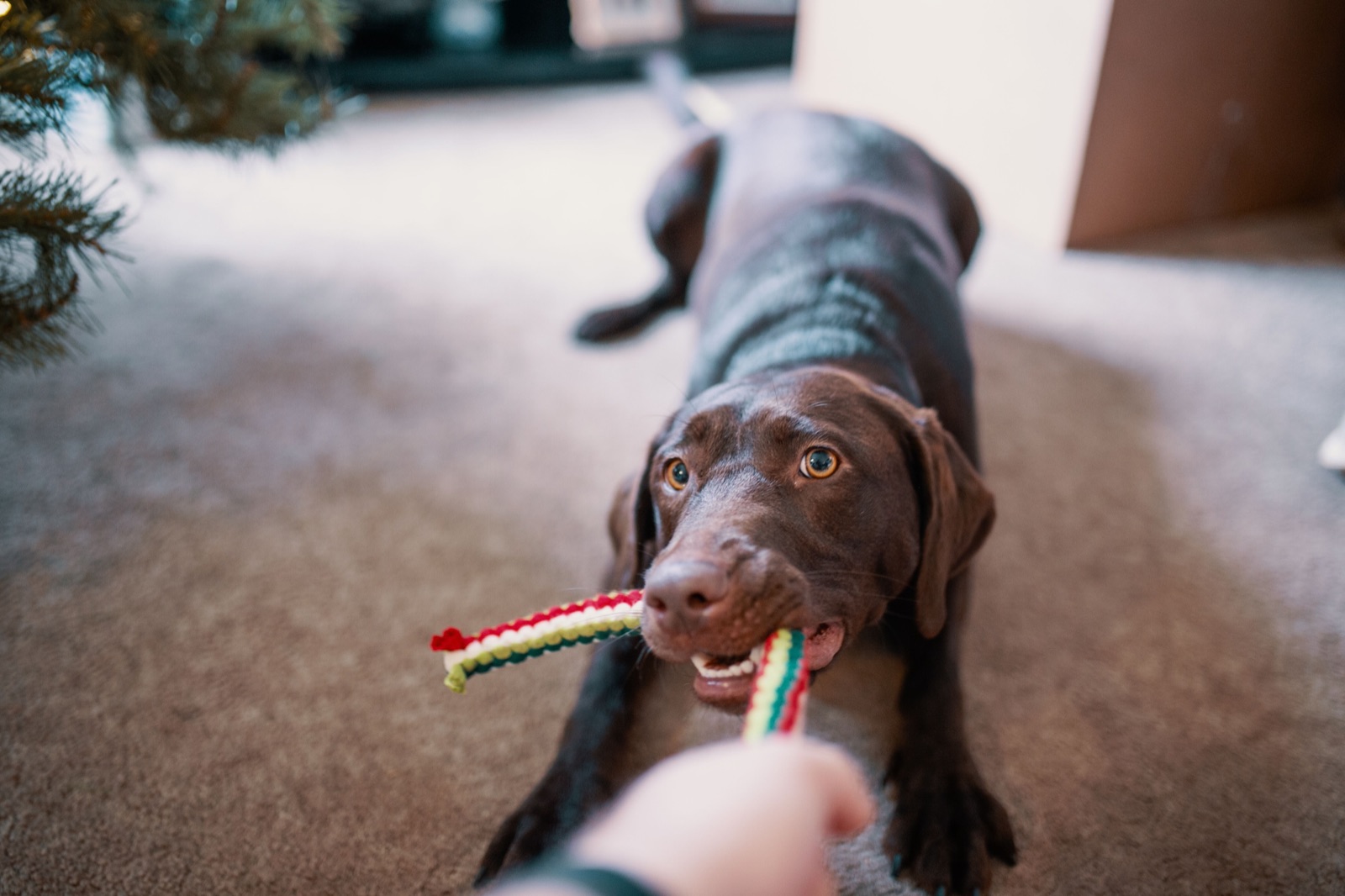
When do Lab puppies stop biting? There is no fixed age, but for many the biting eases as teething ends, at around 6 months, and as they learn that gentle play continues while hard bites end the fun. A Labrador will still want something in its mouth long after that, because the breed was made to carry things. This guide explains why your puppy bites, how long teething lasts, and the reward-based steps that turn needle-sharp play biting into a soft mouth.
What you'll need
Essentials
-
Several puppy chew toys within reach in every room
: you will redirect a Lab's mouth many times a day in the first months, so a toy has to be closer than your hand. -
A long tug toy
: gives your puppy something to grab that keeps its teeth well away from your fingers. -
Small training treats
: labs are usually very food-motivated, which makes rewarding calm, gentle behavior easy.
Optional
-
A rubber teething toy you can freeze
: aKC suggests freezable rubber teething toys for sore gums. -
A crate or puppy-proofed room for naps
: many biting sprees come from an overtired puppy who needs a quiet place to sleep.
Why Lab puppies bite so much
Puppy biting is normal. The ASPCA points out that puppies spend much of their day playing, chewing and investigating with their mouths, and AKC's chief veterinarian, Dr. Jerry Klein, puts it plainly: "Play biting does not mean your puppy is vicious."
Labradors add a few reasons of their own:
- They were bred to carry things. The Royal Kennel Club traces the breed to dogs fishermen used to retrieve nets and lost lines, and the AKC standard describes the Lab as a retrieving gun dog. Holding things in the mouth is part of the job description.
- They grow fast. The ASPCA notes that mouthing that seems cute at 7 weeks is much less so at 3 or 4 months, when the puppy is bigger. With a breed that reaches 55 to 80 pounds as an adult, it pays to teach a gentle mouth early.
- They love food. That works in your favor: rewarding calm behavior with a small treat is easy with most Labs.
Teething labrador puppy timeline
AKC's teething guide gives this sequence:
| Stage | Typical timing |
|---|---|
| First of the 28 baby teeth appear | as early as 2 weeks |
| Baby teeth start to fall out | around 3 to 4 months |
| Baby teeth should have fallen out, replaced by 42 adult teeth | by about 6 months |
Puppies often swallow the baby teeth they lose, so you may not find many. AKC notes that drooling and small spots of blood on toys are common during teething, but tell your vet if anything seems unusual or if baby teeth stay in after the adult teeth come through.
Overtired, bored or needing a break
AKC lists overtiredness as a common cause of biting sprees. A puppy who suddenly bites everything may need a nap in a quiet place, a potty break, food or water. A puppy who keeps biting after several toy swaps may need some exercise or a training game to burn off energy.
Step 1: Teach bite inhibition
Bite inhibition is a dog's ability to control the force of its mouth. Puppies start learning it from littermates, who yelp and stop playing when bitten too hard. The ASPCA notes that some behaviorists believe a dog who learns to be gentle with people is less likely to break skin if it ever bites when afraid or in pain.
- Play gently with your hands and let your puppy mouth them.
- When a bite is hard, give a short, high-pitched "ow" and let your hand go limp. Don't jerk it away, which looks like a game.
- When your puppy stops or licks you, praise and carry on playing.
- If the "ow" excites your puppy more, skip it and turn away, tuck your hands under your arms and stand still. AKC calls this a calming signal and a mild form of withdrawing attention.
- Repeat no more than three times in 15 minutes, as the ASPCA suggests. After that, move to a time-out.
- Raise the bar gradually. Once hard bites are rare, react to moderately hard bites, then to softer ones, until your puppy uses almost no pressure.
Step 2: Redirect to toys
Your puppy needs to bite something, so give it a better target than you.
- Offer a chew toy whenever teeth reach your hands, feet or furniture. AKC suggests keeping one within reach at all times. Our guide to chew toys for Labs covers which kinds are safe.
- Play fetch and tug instead of wrestling. The ASPCA recommends these games because they keep teeth on a toy. For a retriever, fetch is close to what the breed was bred for.
- If your puppy grabs at your feet or ankles, stop moving, wave a tug toy and start walking again once the puppy is holding it.
- Feed small treats with one hand while you pet with the other if petting makes your puppy mouthy.
- Rotate toys so there is always something new to chew.

Safe things to chew
AKC suggests rubber teething toys you can freeze, edible teething rings and flavored puppy chew toys sized for your dog. It advises against sticks and toys with pieces that can be chewed off or pulled out, such as stuffing. A Lab's jaws get strong quickly, so check toys regularly for wear and supervise chewing. Ask your vet which chews suit your puppy.
Step 3: Use time-outs when play gets too rough
When a puppy is too excited to respond, a short break works better than any reprimand.
- Short break: after a hard bite, remove your attention for 10 to 20 seconds, then return and play gently again (ASPCA).
- Longer break: if your puppy keeps nipping, walk away for 30 to 60 seconds, out of the room if needed. Make sure the room you leave the puppy in is puppy-proofed.
- Crate calm-down: AKC suggests gently placing an overexcited puppy in its crate to settle, keeping your own manner calm so the crate never feels like a punishment. See crate training a Lab puppy for how to build a good crate habit first.
The lesson for your puppy is simple: gentle play continues, painful play stops.
Step 4: Reward calm behavior
Notice the moments when your puppy lies quietly or chews a toy, and reward them with a calm "good dog", a piece of kibble or a gentle stroke. AKC recommends this, and with a food-loving Lab it is easy to do many times a day. Count training treats as part of the daily food allowance; University of Cambridge researchers report that about a quarter of Labradors carry a gene variant that makes them hungrier and burn fewer calories at rest.
What not to do
The ASPCA warns against physical punishment: it can make biting harder, make your puppy afraid of you or even cause real aggression. AKC adds that yelling can backfire.
- Don't slap or hit your puppy, scruff-shake it, whack it on the nose or stick your fingers down its throat.
- Don't yell. AKC notes that yelling can act as a reward for some puppies and make others fearful of being handled.
- Don't wave fingers or toes in your puppy's face or play rough games that wind it up.
- Don't stop playing with your puppy altogether. The goal is gentle play, not no play.
When biting is more than play
Most mouthing is normal play. The ASPCA describes how to tell the difference: in play, a puppy's body and face look relaxed. In a tantrum or fear-driven bite, the body may look stiff or frozen, the lips pull back, the puppy may growl, and the bites are much harder. The ASPCA says this kind of behavior is not simply outgrown.
Get help promptly if you see it, or if ordinary play biting has not eased by 6 months, which is AKC's suggested point to call in a professional. Look for a Certified Applied Animal Behaviorist, a veterinary behaviorist (Dip ACVB) or a certified trainer with experience in fear and aggression. Bring up any biting outside play with your vet as well.
Next steps
A well-rested, well-exercised puppy with plenty of toys bites far less. Build a daily routine with naps, short play sessions and chew time, and keep your training sessions short. For the rest of the first weeks, see the Lab puppy checklist and the puppy section.
Questions
When do Lab puppies stop biting?
There is no fixed age. Teething is usually finished by about 6 months, and mouthing tends to ease as your puppy learns what is allowed, but Labs often keep wanting to carry things in their mouths for life. AKC suggests getting help from an experienced trainer or behavior professional if play biting has not eased by 6 months.
Why do Lab puppies bite so much?
All puppies explore and play with their mouths, and Labradors were bred as retrievers, dogs that carry things in their mouths. Teething discomfort, overexcitement and overtiredness add to it.
How do you stop a Lab puppy from biting?
Stop play the moment teeth touch skin, give your puppy a toy to bite instead, and reward calm behavior. Use short time-outs if needed, and make sure the puppy gets enough sleep and exercise.
Is it OK to tap my puppy's nose or hold its mouth shut when it bites?
No. The ASPCA warns that slapping or hitting a puppy for mouthing can make it bite harder, and that physical punishment such as whacking the nose can make a puppy afraid of you or even cause real aggression.
Is my chocolate or black Lab puppy biting more because of its color?
We found no reliable evidence that coat color changes how much a Lab puppy bites. The same teething timeline and training steps apply to black, yellow and chocolate Labs.
Sources
- ASPCA — Mouthing, Nipping and Biting in Puppies
- American Kennel Club — How to Stop Puppy Biting and Train Bite Inhibition
- American Kennel Club — Puppy Teething and Nipping: A Survival Guide
- The Royal Kennel Club — Retriever (Labrador) breed page
- American Kennel Club — Official Standard for the Labrador Retriever
- University of Cambridge — A quarter of Labradors are hard-wired for obesity (2024)
More in Puppy
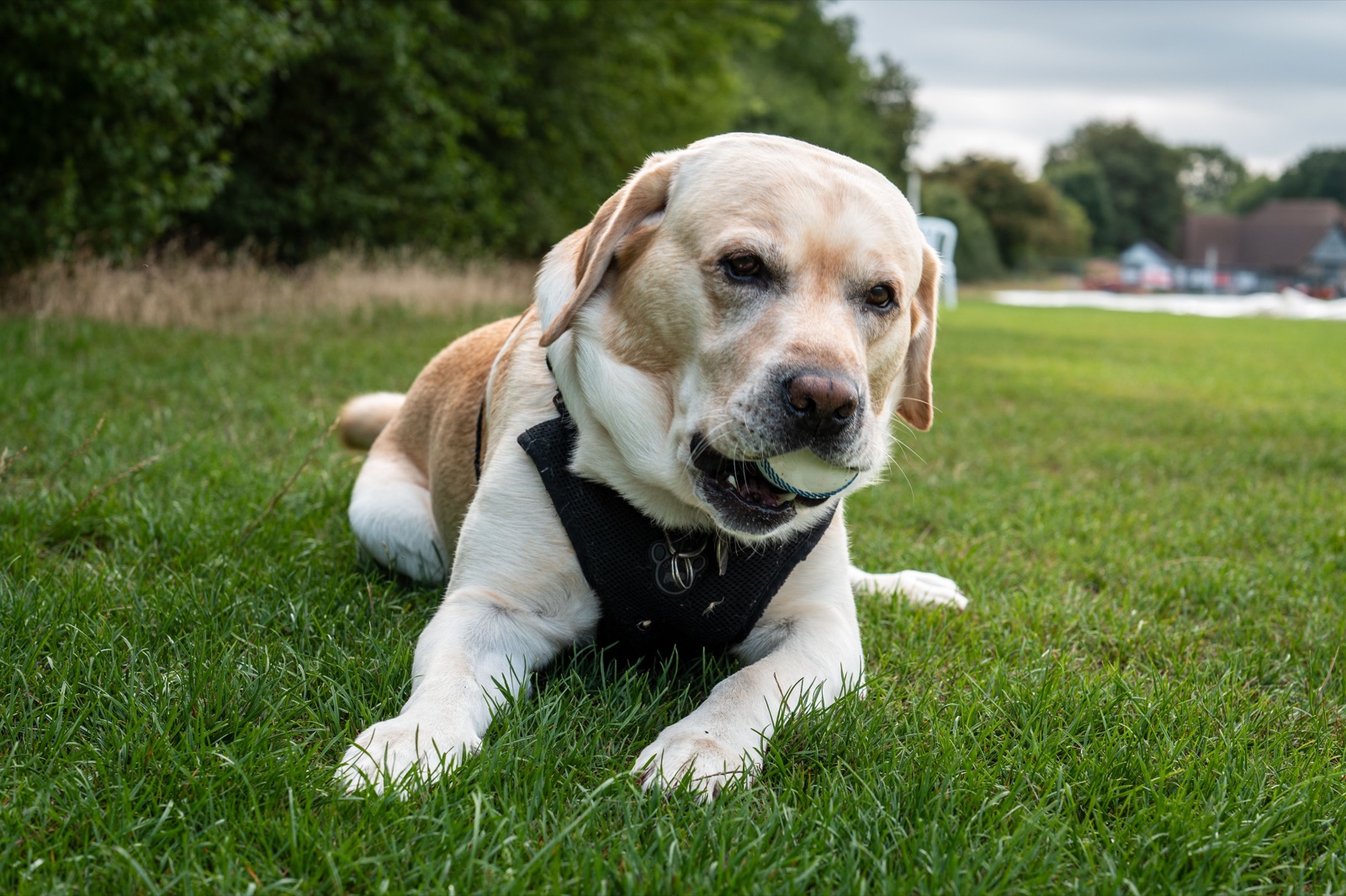
Buying guide in Gear
Chew toys for Labs: safe materials, the right size and what vets warn against
A Lab will chew something. Give it a toy that is big enough not to swallow and soft enough not to break a tooth.
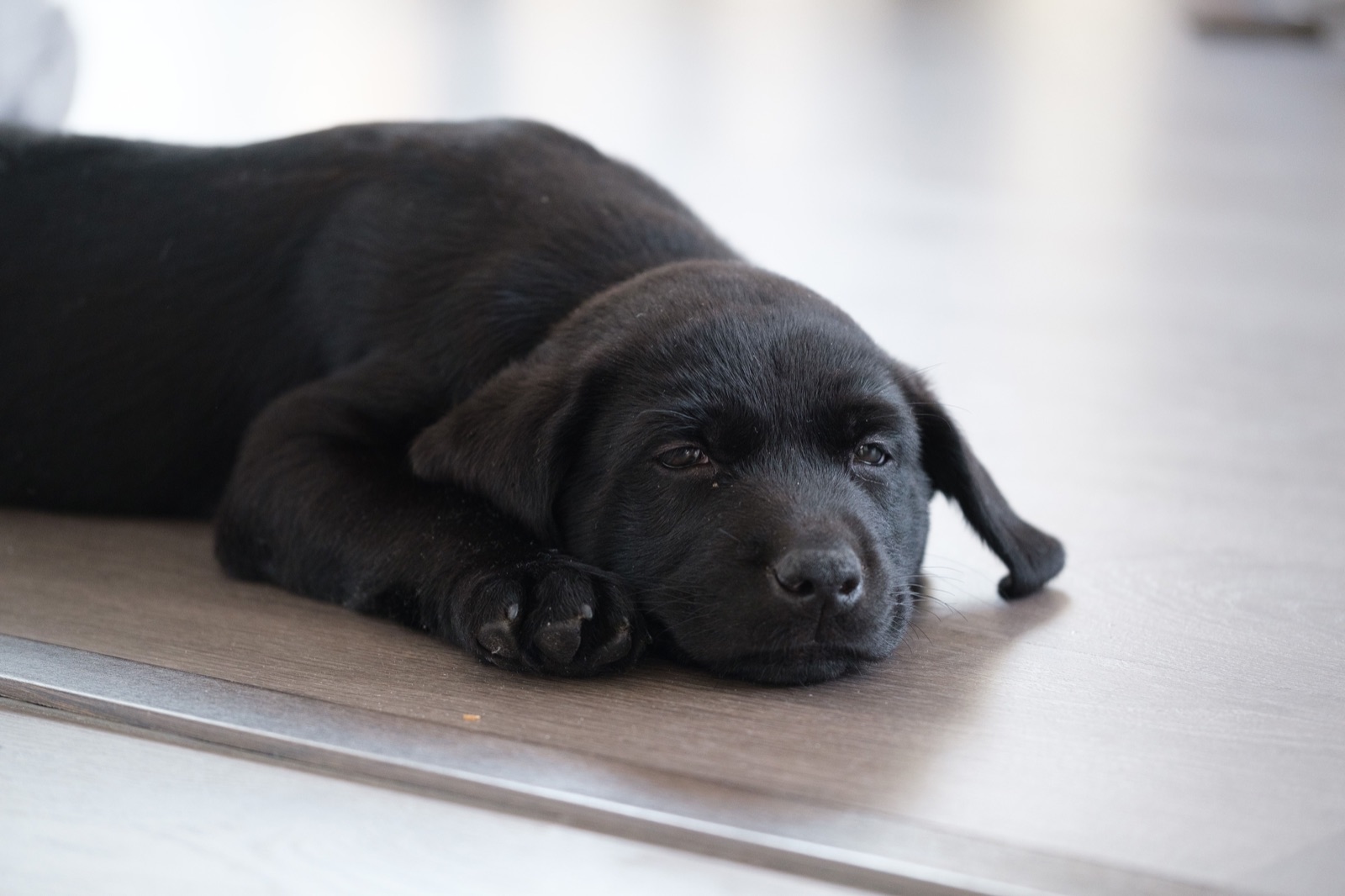
Guide
Crate training a Labrador puppy: step by step, day and night
Size the crate for the adult dog, make it the best spot in the house, then add time in small steps your puppy can handle.
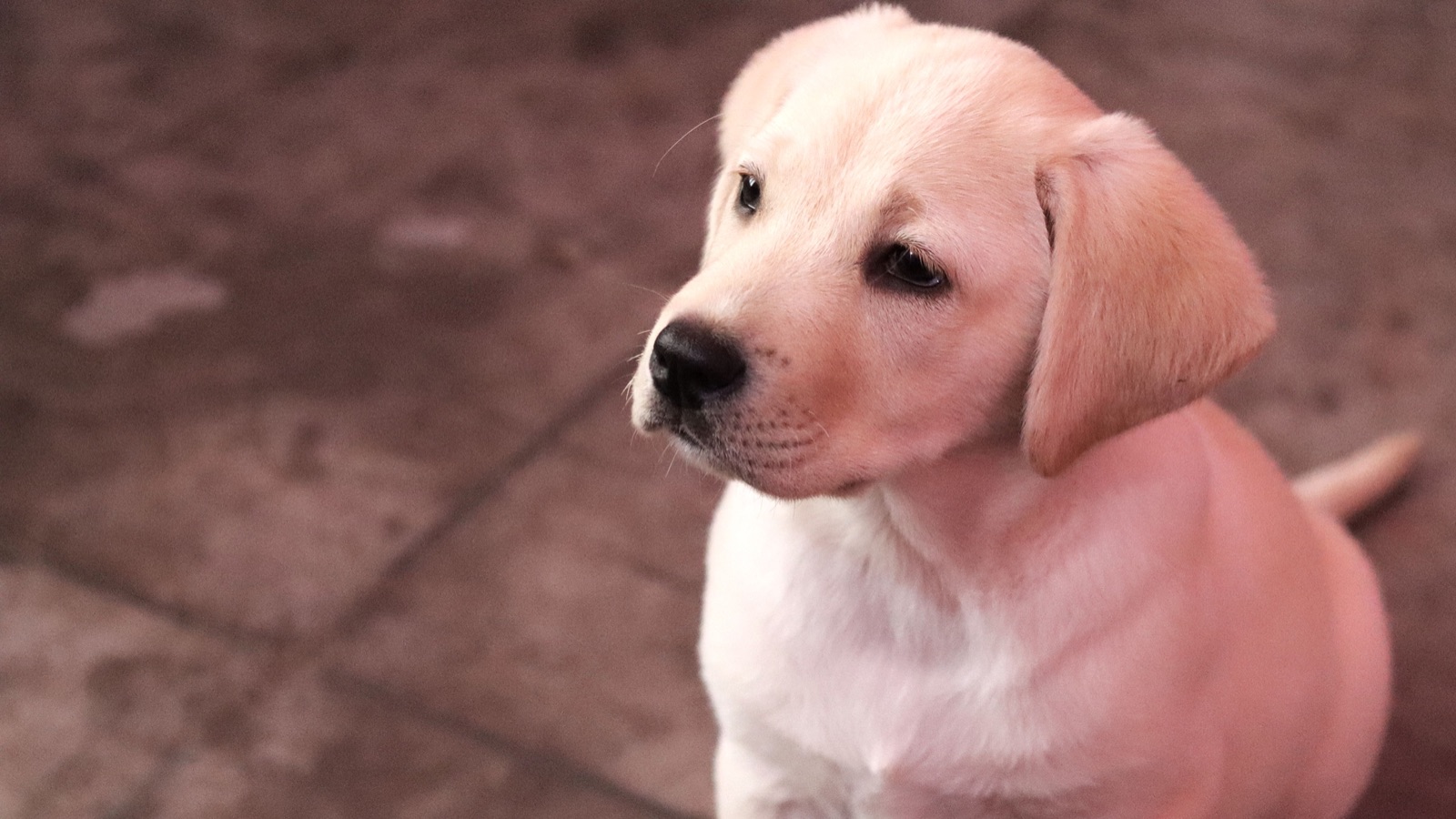
Checklist
Lab puppy checklist: what to get and do before your Labrador comes home
Supplies, a puppy-proofed house, ID and a vet plan, sorted into what you need on day one and what can wait.