Checklist
Lab puppy checklist: what to get and do before your Labrador comes home
Supplies, a puppy-proofed house, ID and a vet plan, sorted into what you need on day one and what can wait.
Published
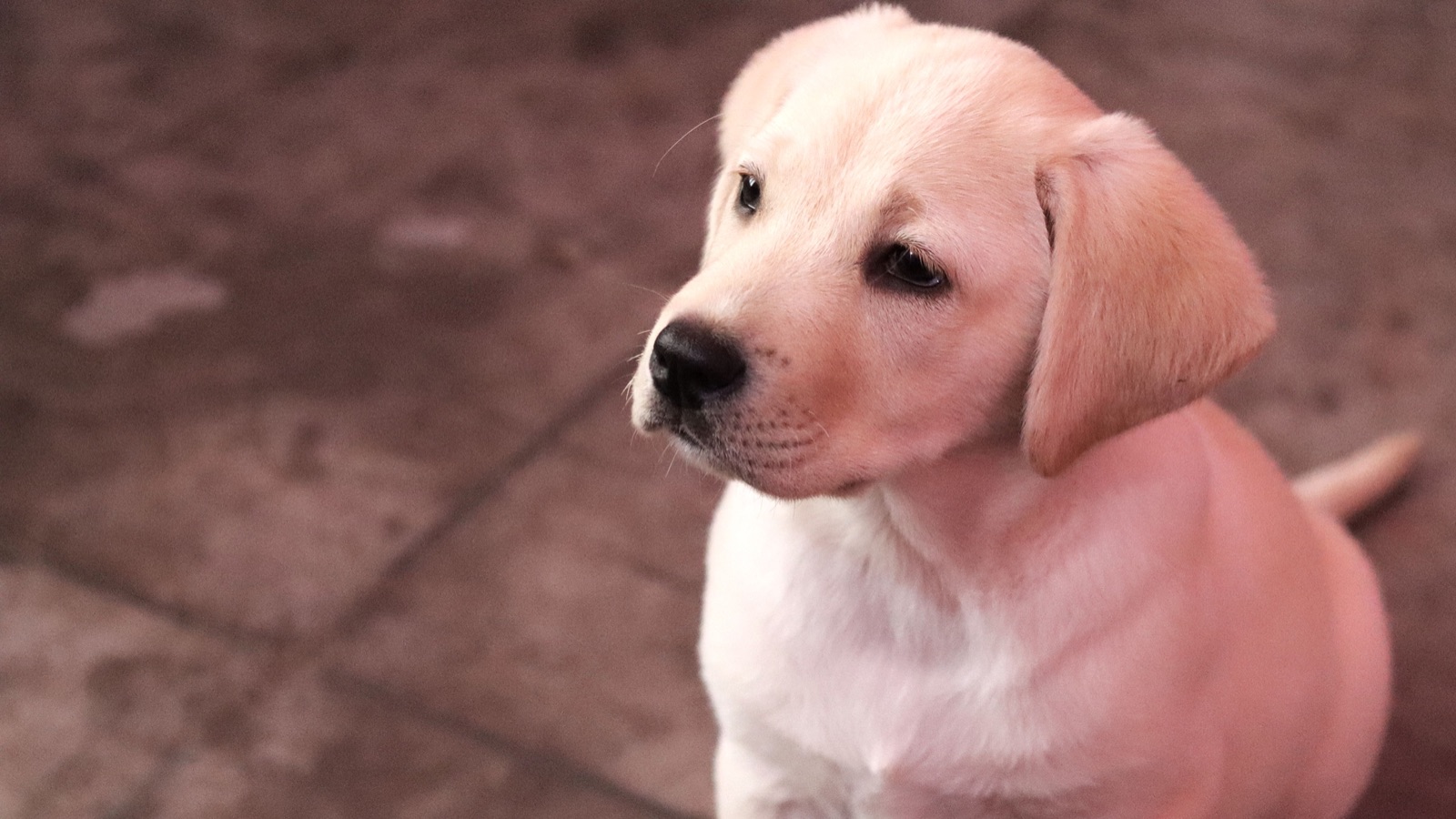
This Lab puppy checklist covers what to buy, what to set up and what to plan before your Labrador comes home, with a short note on why each item matters for this breed in particular. Labs grow quickly into 55 to 80 pound adults, chew a lot during puppyhood, shed and love food, so a few choices are different from a general puppy list. Items marked "can wait" are fine to sort out in the first weeks.
Sleeping and confinement
- Crate sized for an adult Lab, with a divider. The AKC breed standard puts adult Labs at 21½ to 24½ inches at the shoulder. Humane World for Animals suggests buying for the adult size if your puppy is still growing; the divider keeps the space small enough to help house training. See crate training a Lab puppy.
- Baby gates. AKC suggests puppy gates to limit your puppy to a few rooms at first and then widen access gradually.
- A washable bed (can wait for the crate). AKC's crate guidance is to hold off on bedding inside the crate until your puppy has stopped having accidents and shredding fabric, which can take a while with a chewing Lab.
Food and feeding
- Puppy food, ideally the same food your puppy has been eating. AKC notes that large breeds are sensitive to calcium imbalance while their bones grow and recommends a food formulated for large-breed puppies. Our guide to large-breed puppy food explains what to look for on the label.
- Food and water bowls. AKC suggests adjustable bowls for fast-growing puppies.
- A measuring cup and a secure food bin. University of Cambridge researchers report that about a quarter of Labradors carry a gene variant that makes them hungrier between meals and burn fewer calories at rest. Measured meals and food stored where your puppy can't reach it both help keep a Lab lean.
- Small training treats. AKC notes that treats used as positive reinforcement help establish good habits early. Count them as part of the daily food.
- A puzzle feeder (can wait). The Cambridge researchers suggest spreading out the daily ration, for example with a puzzle feeder, so a food-focused Lab's meals last longer.

Walking and ID
- Collar with an ID tag. The ASPCA calls a personalized ID tag likely the fastest way to get a lost pet home. Put your phone number on it.
- Microchip, registered in your name. The ASPCA recommends a microchip together with the collar and tag, as a backup if the collar comes off, and stresses keeping your address and contact details up to date with the microchip registry. Ask your vet or breeder whether your puppy is already chipped.
- A harness and a 6-foot leash. AKC suggests a harness to keep pressure off the neck, especially for a puppy who lunges. Labs grow quickly, so expect to buy a bigger size; adjustable straps help.
- Poop bags. For walks and for keeping the yard clean.
Chewing and play
- Several puppy chew toys, including a freezable teething toy. AKC says teething toys ease sore gums and keep puppies busy. Labs were bred as retrievers, dogs that carry things in their mouths, and AKC's teething guide says baby teeth fall out from around 3 to 4 months. See Lab puppy biting for how to redirect a busy mouth.
- A tug toy and a ball for fetch. Games that keep teeth on a toy suit a retriever.
- Food-stuffable chew toys. For quiet time in the crate. See chew toys for Labs for what holds up.
Toys to skip
AKC's teething guide advises against sticks and toys with pieces that can be chewed off or pulled out, such as stuffing. Check toys often and replace damaged ones.
House training supplies
- Enzymatic stain and odor cleaner. AKC recommends keeping one on hand so the smell of accidents does not draw your puppy back. See how to potty train a Lab puppy.
- Puppy pads (optional). AKC says they help if you cannot get home often during the day.
Grooming
- A brush for a short double coat. The Royal Kennel Club lists Labradors as a shedding breed whose short coat needs grooming once a week. Starting while your puppy is small makes brushing routine.
- A dog toothbrush and dog toothpaste. AKC says brushing early helps your puppy get used to the feeling. Never use human toothpaste: AKC warns it can contain xylitol, which is toxic to dogs.
- Nail clippers or a grinder (can wait). Practice touching paws first.

Puppy-proofing the house
AKC suggests focusing on removing hazards such as medications, electrical cords, toxic plants, cleaning products and small objects a puppy could swallow. Get down to a Lab puppy's height and look around each room.
Foods to keep out of reach
The ASPCA lists these foods among those to keep away from dogs:
- Chocolate, coffee and anything with caffeine
- Xylitol, a sweetener that AKC notes can be in human toothpaste
- Grapes and raisins
- Onions, garlic and chives
- Macadamia nuts
- Alcohol and raw yeast dough
If your puppy eats something it shouldn't
A Lab's appetite makes counters, trash cans and bags on the floor a real risk. Save the ASPCA Animal Poison Control Center number, (888) 426-4435, and your vet's emergency number in your phone. If your puppy eats something toxic, call your vet or an emergency clinic now.
Health and paperwork
- Choose a vet and book a first visit soon after your puppy comes home.
- Bring the breeder's or shelter's records, including any vaccinations and deworming already given.
- Follow your vet's schedule for vaccinations, parasite prevention and checkups. This checklist does not replace that advice.
- Start a weight log. Labs grow fast, and tracking weight with your vet is the best way to check growth. See the Lab puppy growth chart.
Socialization and training plan
- Find a puppy class. The American Veterinary Society of Animal Behavior says the first three months are the most important time for socialization, and that puppies can generally start classes at 7 to 8 weeks, after at least one set of vaccines given at least 7 days before the first class and a first deworming. Ask your vet about your puppy's timing.
- Plan safe new experiences: calm people, friendly vaccinated dogs, new surfaces and sounds, at a pace your puppy enjoys.
- Pick a reward-based trainer. Look for one who uses treats, toys and praise, never punishment or pain.
What can wait
You don't need everything before day one. A bigger collar and harness, an adult-size bed, a long training line and grooming tools beyond a brush and toothbrush can all wait until you know your puppy's size and habits. The crate, food, ID, chew toys, cleaner and a vet appointment can't. For the rest of the first months, browse the puppy section.
Questions
What do I need for a new Lab puppy on the first day?
A crate sized for an adult Lab with a divider, puppy food, food and water bowls, a collar or harness with an ID tag, a leash, chew toys, training treats, poop bags and an enzymatic cleaner. AKC's new puppy checklist covers many of the same essentials.
Should my Lab puppy have a microchip and an ID tag?
Both. The ASPCA recommends a microchip together with a collar and ID tag; the tag is usually the fastest way home, and the microchip is the backup if the collar comes off. Keep your contact details up to date with the microchip registry.
When should a new Lab puppy see the vet?
Book a visit soon after your puppy comes home and follow your vet's schedule for vaccinations, parasite control and checkups. Bring any records from the breeder or shelter.
Can my Lab puppy go to puppy class before all its vaccinations?
The American Veterinary Society of Animal Behavior says puppies can generally start socialization classes at 7 to 8 weeks, after at least one set of vaccines given at least 7 days before the first class and a first deworming. Ask your vet what is right for your puppy.
What foods are dangerous for a Lab puppy?
The ASPCA lists chocolate, xylitol, grapes and raisins, onions and garlic, macadamia nuts, alcohol and raw yeast dough among foods to keep away from dogs. If your puppy eats something toxic, call your vet or an emergency clinic now.
Sources
- American Kennel Club — New Puppy Checklist: Gear You'll Need for Your New Dog
- American Kennel Club — Puppy Teething and Nipping: A Survival Guide
- American Kennel Club — When Does My Puppy Finish Growing?
- American Kennel Club — Official Standard for the Labrador Retriever
- Humane World for Animals — Crate training 101
- ASPCA — People Foods to Avoid Feeding Your Pets
- ASPCA — Position Statement on Pet Identification
- American Veterinary Society of Animal Behavior — Position Statement on Puppy Socialization
- The Royal Kennel Club — Retriever (Labrador) breed page
- University of Cambridge — A quarter of Labradors are hard-wired for obesity (2024)
More in Puppy
Buying guide in Gear
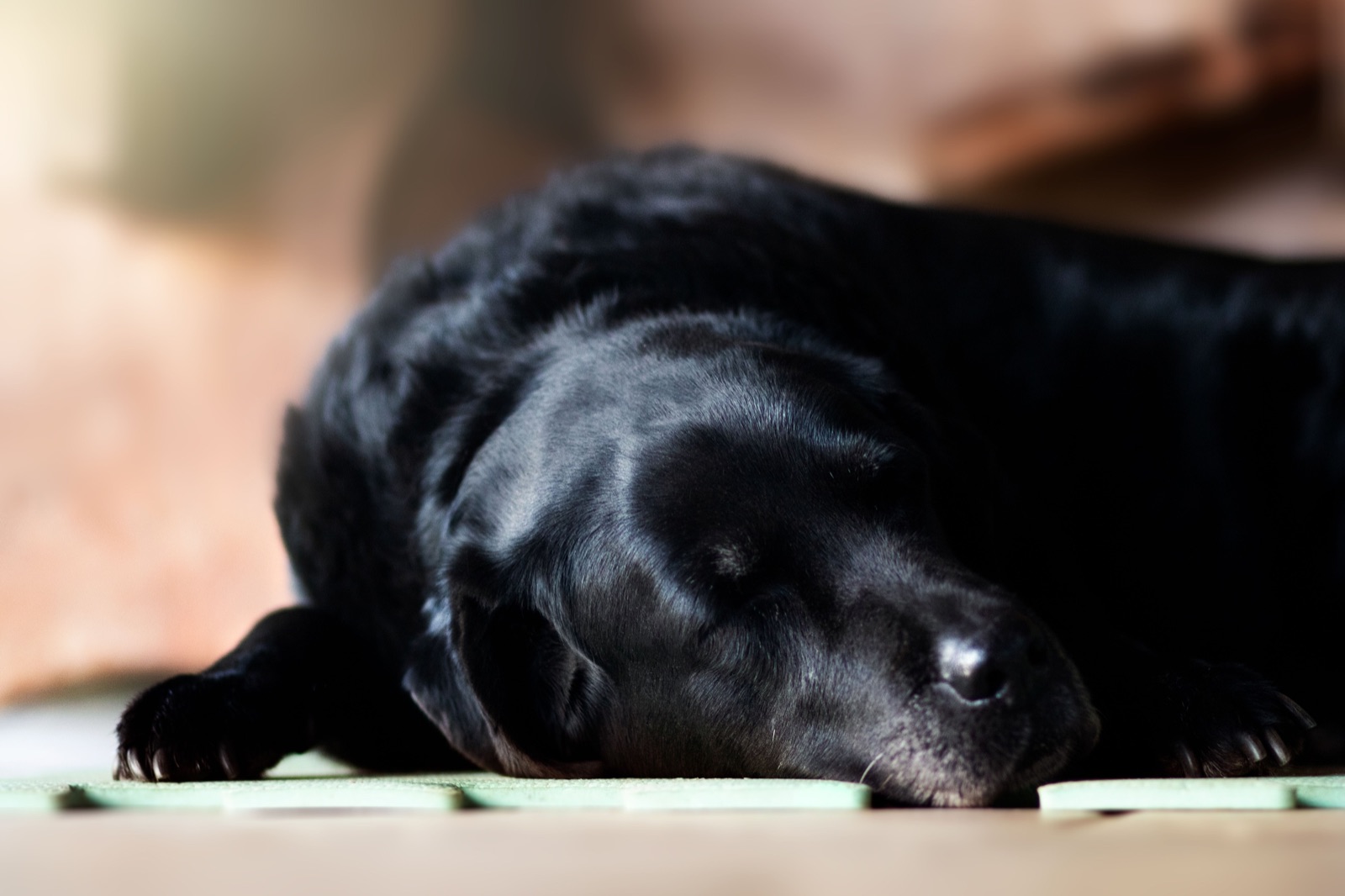
Dog crate for a Labrador: what size, which type, and a divider for puppies
Measure your dog, buy for the adult size, and use a divider panel while your Lab is still a puppy.
Buying guide in Food
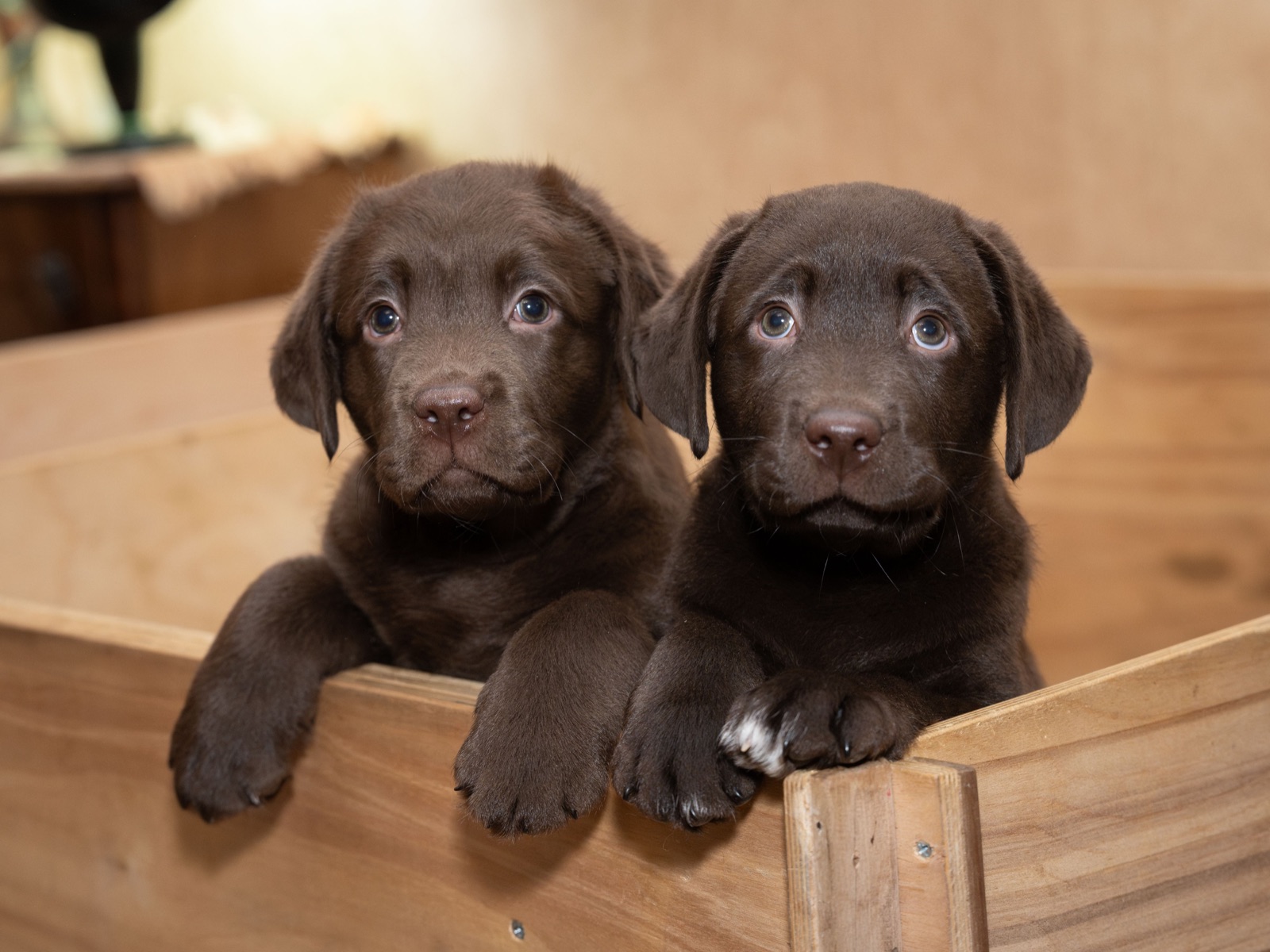
Large breed puppy food for Labradors: what the label must say
A Lab puppy grows toward an adult weight of 55–80 pounds, and grows rapidly in its first months. The right food keeps that growth steady, not fast.
Guide
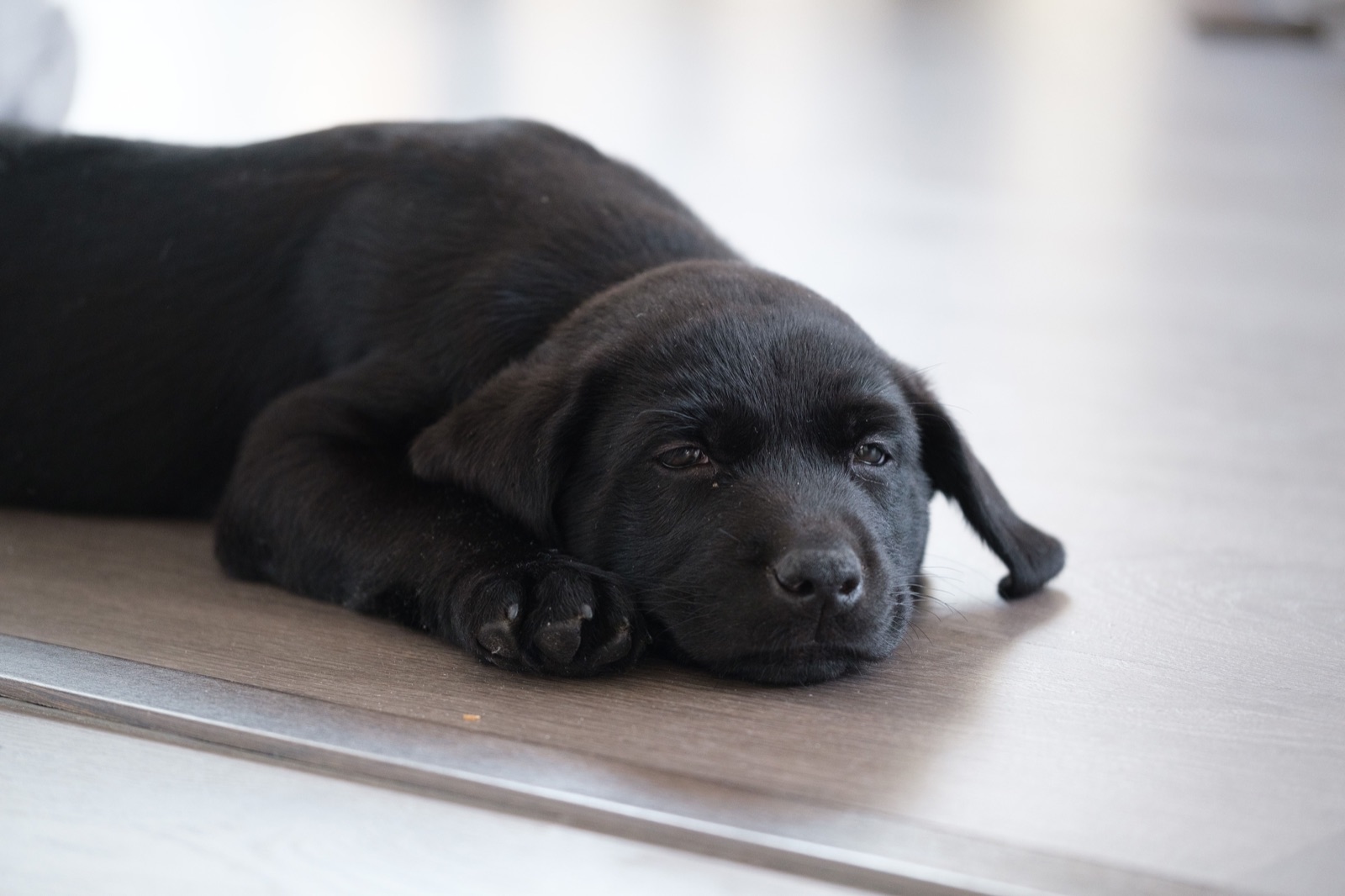
Crate training a Labrador puppy: step by step, day and night
Size the crate for the adult dog, make it the best spot in the house, then add time in small steps your puppy can handle.