Guide
Labrador temperament: what a Lab's personality is really like
Kind, outgoing and built for work: the Lab personality in the breed standard, what research adds, and what it means at home.
Published
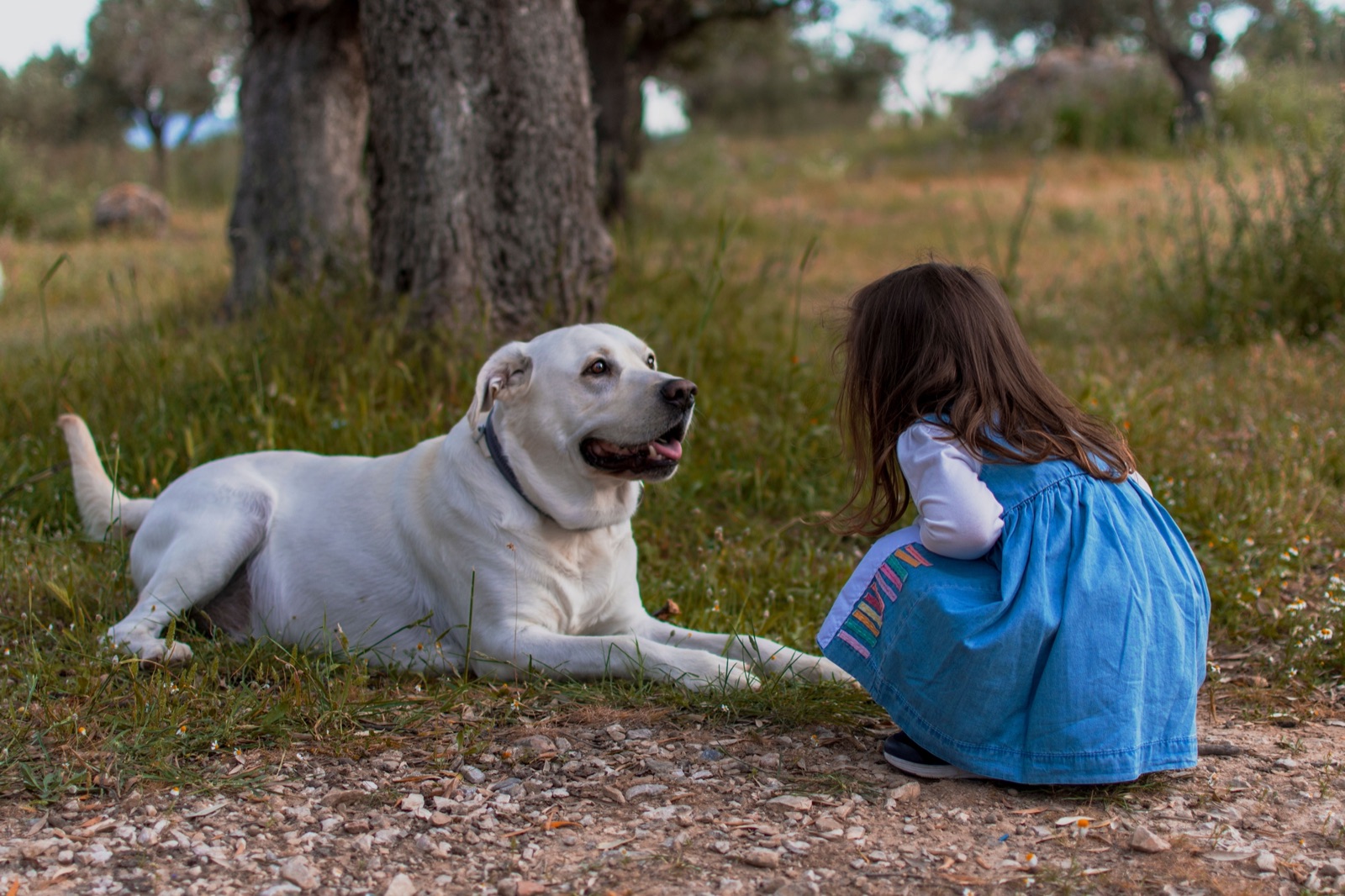
The Labrador temperament is written into the breed standard: kind, outgoing, eager to please and non-aggressive, with the drive of a working gun dog underneath. That mix is why Labs make easy-going family dogs and also why an under-exercised Lab can wreck a living room. This guide sets out what the standard and the research say about Lab personality, which myths to ignore, and what you can do to bring out the calm, friendly dog the breed is known for.
Labrador temperament in the breed standard
Few standards put temperament this high. The AKC's says "true Labrador Retriever temperament is as much a hallmark of the breed as the 'otter' tail," and describes the ideal as "a kindly, outgoing, tractable nature; eager to please and non-aggressive towards man or animal." It credits the Lab's "gentle ways, intelligence and adaptability," and says aggressiveness toward people or animals, or shyness in an adult, "should be severely penalized."
The UK standard, from the Royal Kennel Club, adds a few useful words: "intelligent, keen and biddable, with a strong will to please," with a "kindly nature, with no trace of aggression or undue shyness," an "excellent nose, soft mouth; keen love of water," and an "adaptable, devoted companion."
What the AKC trait ratings say
The AKC rates every breed from 1 to 5 on a set of traits. For the Labrador:
| Trait | AKC rating |
|---|---|
| Affectionate with family | 5 |
| Good with young children | 5 |
| Good with other dogs | 5 |
| Openness to strangers | 5 |
| Playfulness | 5 |
| Trainability | 5 |
| Energy level | 5 |
| Adaptability | 5 |
| Mental stimulation needs | 4 |
| Watchdog / protective nature | 3 |
| Barking level | 3 |
Read the last two lines with the first four. A Lab that loves strangers is not built to guard, and a middle barking score means some Labs will bark at the door, not that they make good guard dogs.
The Lab personality, trait by trait
Friendly with almost everyone
The AKC describes Labs as "famously friendly," companionable housemates who "bond with the whole family" and get along with neighbor dogs and people. The AKC also notes that many Labs work in search-and-rescue, drug and bomb detection, and as service and assistance dogs. The flip side is a dog that greets every visitor at full speed. Teaching a calm greeting early saves a lot of muddy shirts.
Eager to please, and food-motivated
Labs are rated top marks for trainability, and the standard asks for a "tractable" dog. Food helps. A 2016 study found a deletion in the POMC gene in about 12% of the Labrador gene pool, linked to higher body weight and greater food motivation, and more common in Labs chosen to become assistance dogs than in pets. Treats work well in training a Lab; count them as part of the day's food. See the food section for portions.
Very high energy
The AKC calls the Lab "an exuberant, very energetic breed that needs lots of exercise every day," and warns that a Lab without it "is likely to engage in hyperactive and/or destructive behavior." Retrieving and swimming are the breed's favorite outlets. The activity section has ideas for each age.

Acts first, thinks later
In its comparison with the Golden Retriever, the AKC notes that Labs tend to "just go for it," do not enjoy repetitive training, and are harder for the public to cope with when untrained. Short, varied training sessions suit this better than long drills.
A mouth made for carrying
Labs were bred to retrieve game without damaging it, the "soft mouth" in the UK standard. Give that urge a job: fetch, carrying a toy, or retrieving games.
Does color change temperament?
Black lab personality, chocolate lab temperament and "yellows are calmer" are some of the most searched questions about the breed. The best evidence comes from a 2014 survey of the owners of 1,978 UK Labradors:
- Chocolate Labs were rated, on average, more excitable and more agitated when ignored than black Labs.
- Chocolate Labs scored lower than black and yellow Labs on trainability and on fear of noises.
- The dog's working status was linked to personality differences more often than any other factor, including color.
These are average differences in owner ratings across large groups, and the authors suggest training, experience and the working background of the lines all play a part. A calm chocolate and a wild black are both normal. Our guide to Labrador colors covers the genetics.
Field lines and show lines
Breeding line seems to matter more than color. In the same UK survey, gundogs scored higher than show dogs and pets on retrieving drive and trainability. A Swedish study of 1,672 Labradors found pet and show-type Labs showed more curiosity in a standard behavior test than field types. UC Davis describes American field Labs as more energetic, "having been bred originally to compete in field trials." If you want a quieter family dog, ask about the parents' lines and meet them; English vs American Labrador explains the two types.
Aggression in Labradors
Aggression is out of character for the breed, and the standard treats it as a serious fault. That does not mean any one Lab cannot growl, snap or guard food or toys. Individual dogs vary.
One finding is worth knowing: in the 2014 UK survey, Labs that got longer exercise were rated lower for aggression, fear of people and objects, and separation anxiety. The study shows an association, not proof that exercise prevents aggression, but it fits everything else about the breed.
If your Lab shows aggression, talk to your vet first, then a qualified trainer or behaviorist who uses reward-based methods. Do not use punishment, alpha rolls, or choke, prong or shock collars.
How to bring out the best Lab temperament

- Socialize early. The AKC advises gently exposing a Lab puppy to many people, places and situations between 7 weeks and 4 months of age, and starting puppy classes early. See the puppy section.
- Exercise every day, body and brain. Pair walks and retrieving with sniffing games and training, since the AKC rates the Lab's mental stimulation needs at 4 of 5.
- Train with rewards, in short sessions. Keep it varied and use part of the daily food as rewards. The training section has the basics.
- Include your Lab in family life. The AKC calls Labs "devoted, intelligent, and enthusiastic companions who need to be included in family activities."
- Be patient through the teenage months. By the AKC's large-breed growth chart a Lab is only about 85% grown at 12 months. Exuberance in a 1-year-old is normal.
Common mistakes
Expecting a calm dog without the exercise
The AKC links a lack of exercise in Labs directly to hyperactive and destructive behavior. Calm at home starts with enough activity outdoors.
Choosing a puppy by color
Color tells you little about one puppy's temperament. The parents and the line tell you more.
Relying on the Lab as a guard dog
A Lab's openness to strangers is the point of the breed. Don't expect protection, and don't train for it with punishment.
Questions
What is the typical Labrador temperament?
The AKC standard describes a kindly, outgoing, tractable dog that is eager to please and non-aggressive toward people and animals. Add very high energy and a strong urge to retrieve, and you have the typical Lab.
Are Labradors aggressive?
Aggression is out of character for the breed: both the AKC and UK standards call for a dog with no aggression, and the AKC says aggressiveness should be severely penalized. Individual dogs vary, so if your Lab growls, snaps or guards things, talk to your vet and a qualified reward-based trainer.
Do black Labs and chocolate Labs have different personalities?
In a survey of 1,978 UK Labradors, chocolate dogs were rated more excitable and less trainable on average than black dogs. The study found working background was linked to personality more often than color, so color is a poor way to predict one dog's personality.
What is a Labrador's energy level?
High. The AKC rates the Lab 5 out of 5 for energy and calls it a very energetic breed that needs lots of exercise every day. A Lab without enough exercise is likely to become hyperactive or destructive.
At what age does a Labrador calm down?
There is no fixed age. Labs keep growing and maturing well into their second year, and daily exercise, training and enough rest do more for calm behavior at home than waiting.
Sources
- American Kennel Club — Official Standard for the Labrador Retriever (approved 1994)
- American Kennel Club — Labrador Retriever breed page (traits, exercise, training)
- American Kennel Club — Golden Retriever vs. Labrador Retriever: Similarities and Differences
- American Kennel Club — Puppy Growth Chart: When Does My Puppy Finish Growing?
- The Royal Kennel Club — Retriever (Labrador) breed standard
- Lofgren et al. (2014), Management and personality in Labrador Retriever dogs. Applied Animal Behaviour Science 156
- Sundman et al. (2016), Similar recent selection criteria associated with different behavioural effects in two dog breeds. Genes, Brain and Behavior
- Raffan et al. (2016), A deletion in the canine POMC gene is associated with weight and appetite in obesity-prone Labrador Retriever dogs. Cell Metabolism
- UC Davis Veterinary Genetics Laboratory — Genetic Diversity Testing for Labrador Retrievers
More in Training
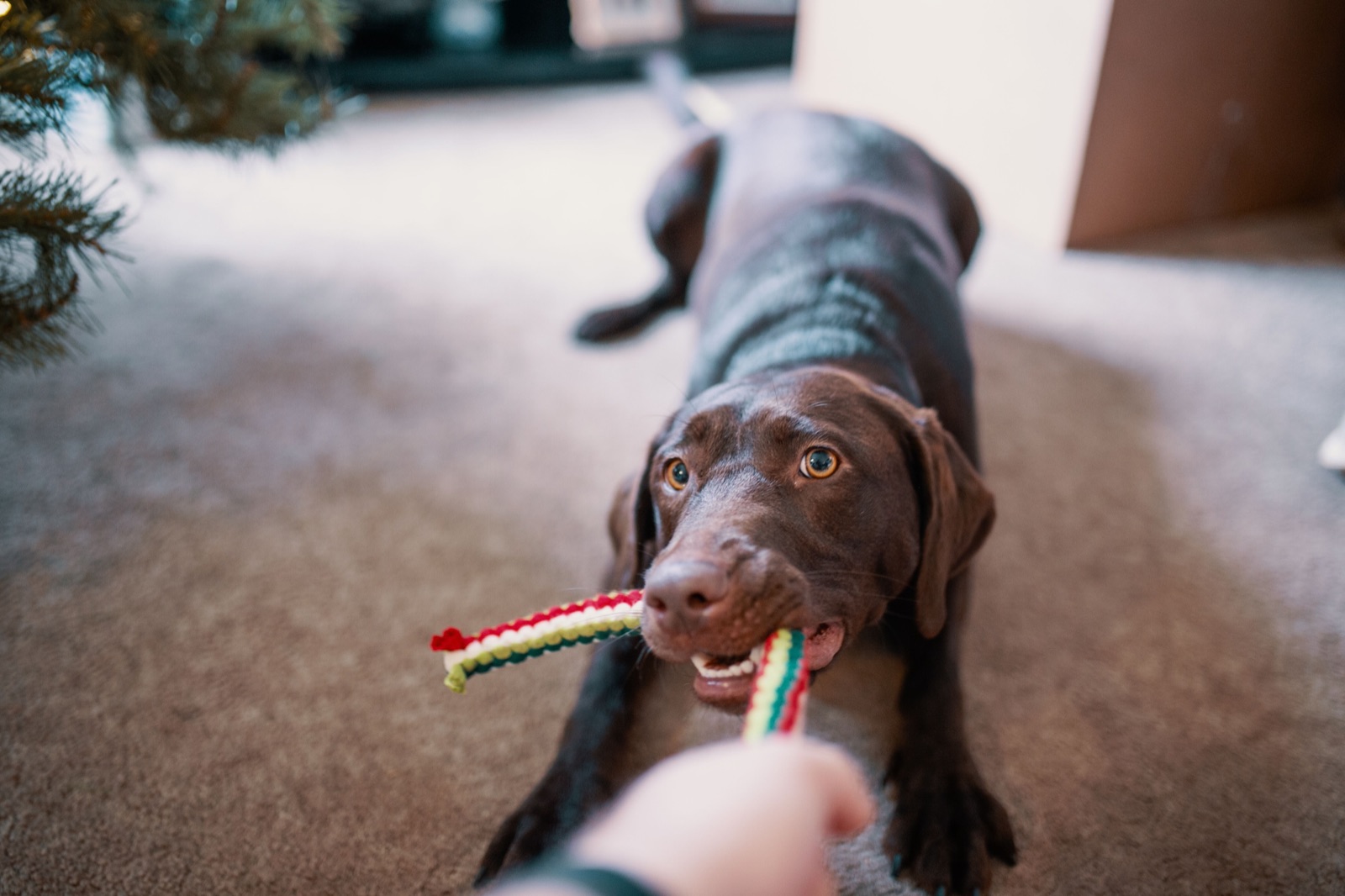
Guide in Puppy
When do Lab puppies stop biting? Teething, mouthing and what to do
Why Labs are so mouthy, how long teething lasts, and calm, reward-based steps that teach your puppy a soft mouth.
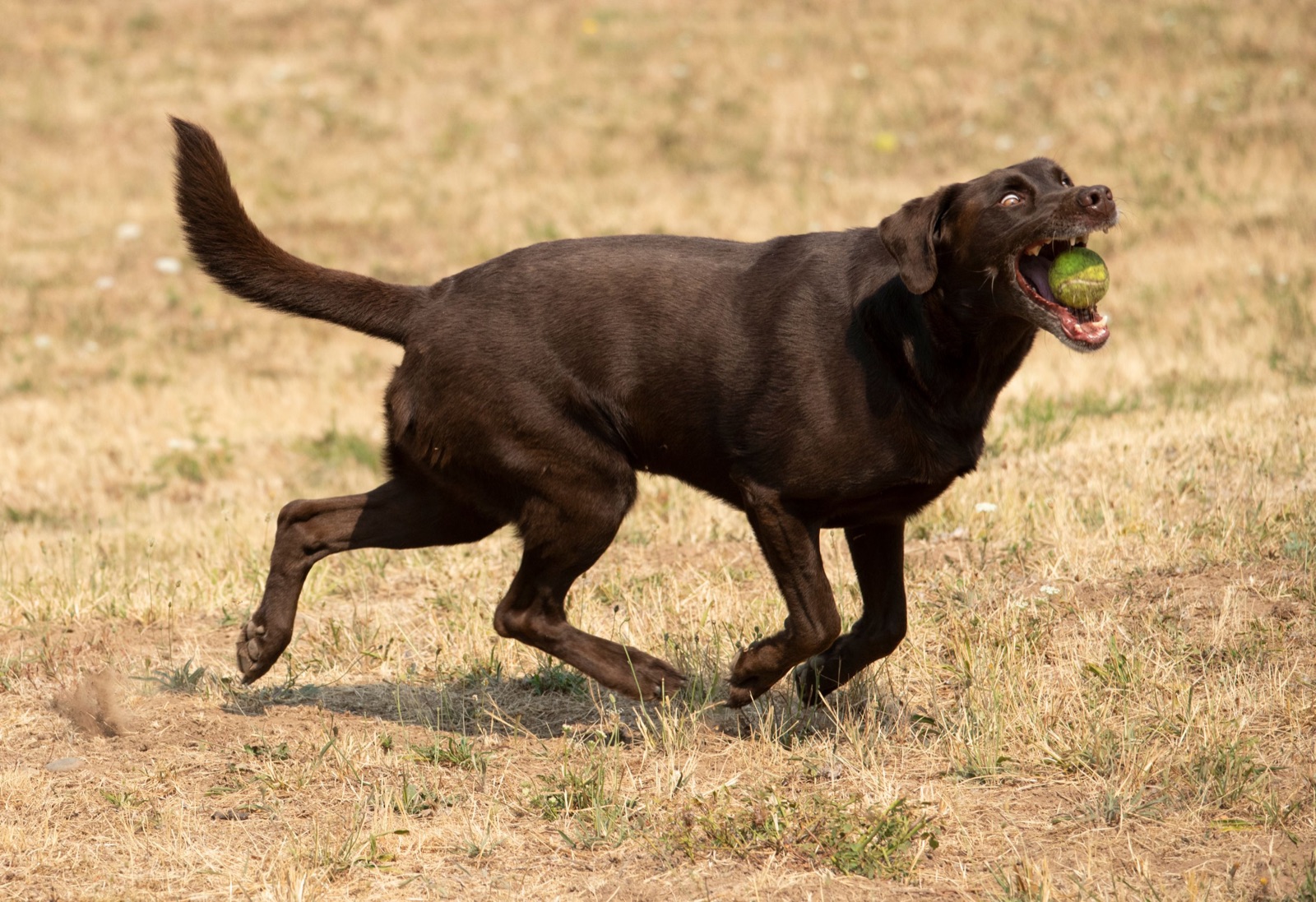
Guide in Activity
How much exercise does a Lab need? Adults, puppies and seniors
A healthy adult Lab needs a lot of daily exercise, a puppy needs short sessions and plenty of rest, and every Lab needs work for its brain too.
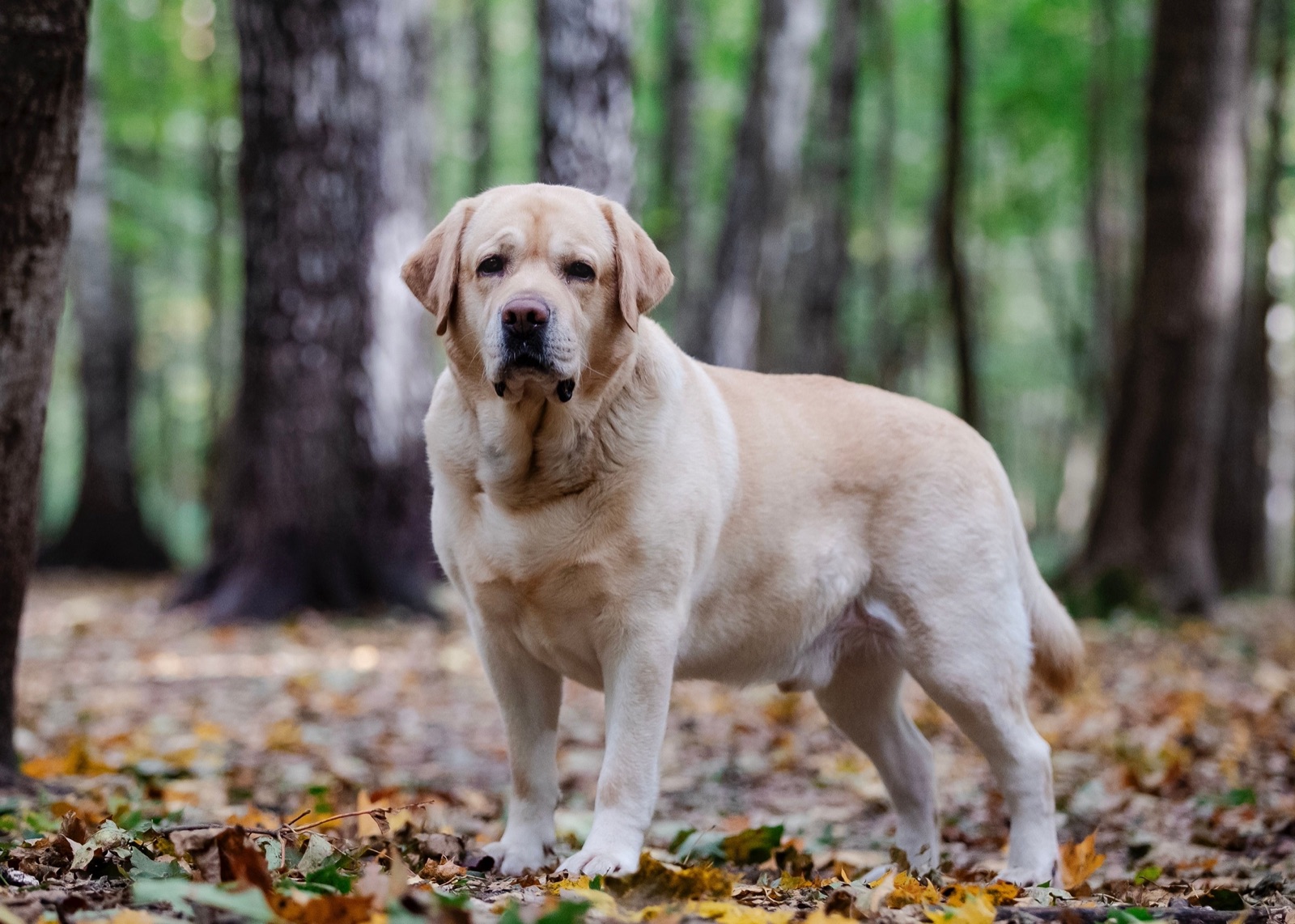
Comparison in Breed
English vs American Labrador: show and field types of one breed
Not two breeds but two breeding goals: a show ring Lab and a field Lab, measured against the same standard.